
Logistics · How to think about it
How to actually choose your transportation
Bus, plane, shared van, boat, or your own two feet — getting from point A to point B is rarely one obvious answer. Here’s how to think it through, based on your budget, your time, and what you can actually handle.
Chile is over 4,000 km long. If you’re heading from the Bolivian salt flats down to Patagonia, a bus could take you three straight days — or a flight could take three hours and cost ten times as much. Neither answer is wrong. The right one depends on how much time you have, what you can afford, and how your body handles a night on the road. This is the framework I use every time, plus how I’d actually put it into practice.
Before you book
The five questions that decide it
Time
Under two weeks? — Lean toward flights and the fastest option available. A cheap bus that costs you a day of feeling wrecked isn’t actually cheap.
Budget
What’s the real gap? — Price the bus, the van, and the flight for the same route before deciding. Sometimes it’s closer than you’d think.
Body
Can you sleep sitting up? — Motion sickness, altitude, and your tolerance for a rough road matter more than the itinerary looks on paper.
Comfort with risk
What feels okay to you? — Not every route or company is equally reliable. What’s a non-issue for one traveler can be a real risk for another — trust your own read.
The trade-off, in short
Fast costs money. Cheap costs time — and sometimes comfort.
10%
Roughly what you can save on buses and boats across much of South America by paying in cash at the station instead of by card — though cards often carry their own surcharge, so it’s worth asking both ways before you pay.

The route
Every mode, and when it earns its place

Flights
Photo: a small regional plane on a tarmac. The default for trips under two weeks, or for any leg over a full day by land. Factor in the airport itself — check-in, security, and connections can eat a surprising chunk of the time you thought you were saving, and domestic flights often charge extra for luggage.
Local buses
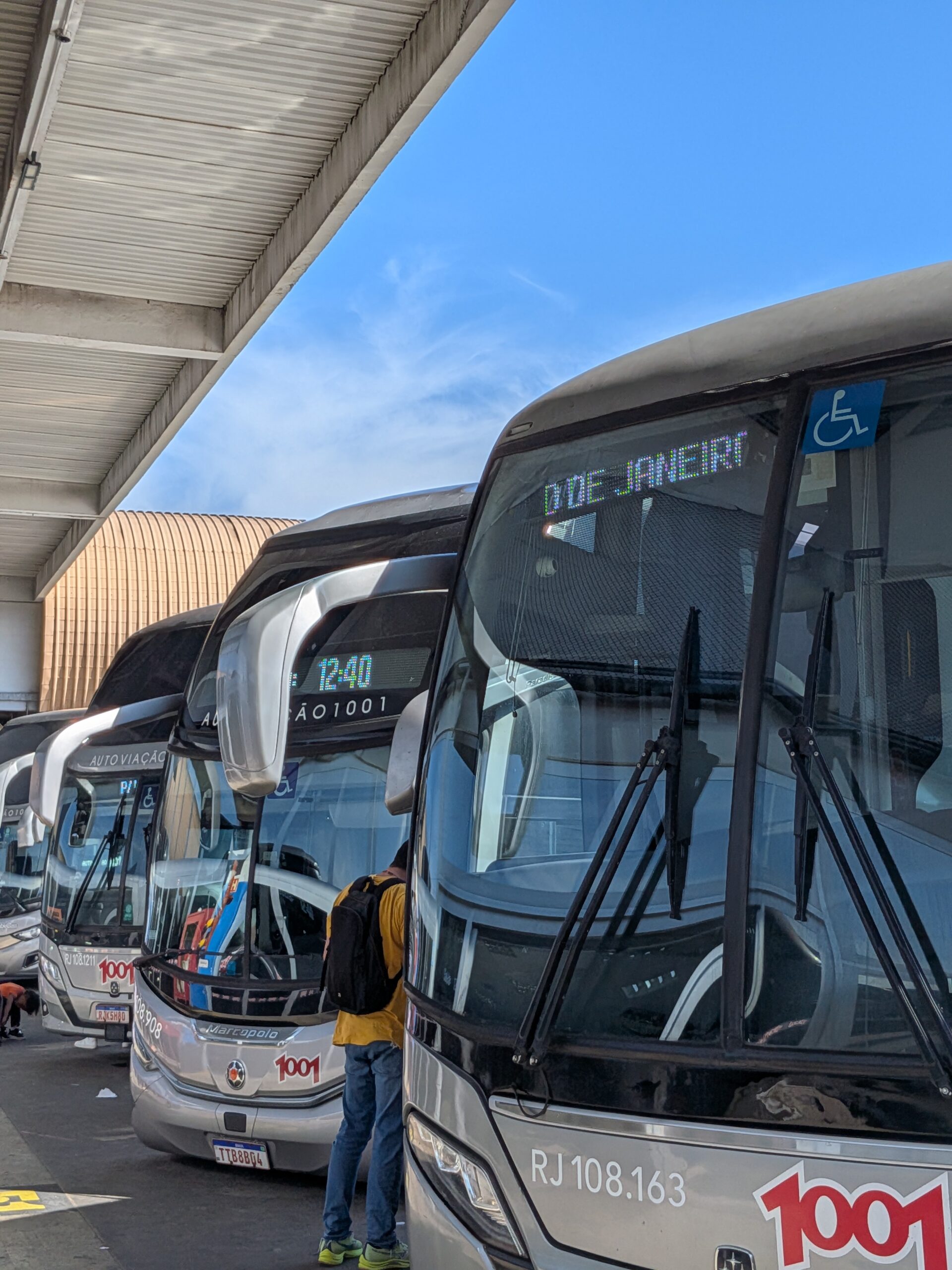
Photo: an overnight bus interior, reclined seats. The budget option, and sometimes the most memorable one — but be honest with yourself about whether you can actually sleep upright. I did a 30-hour bus from Itacaré to Búzios in Brazil once. It’s a story now. It didn’t feel like a good use of a two-week trip at the time.

Shared vans
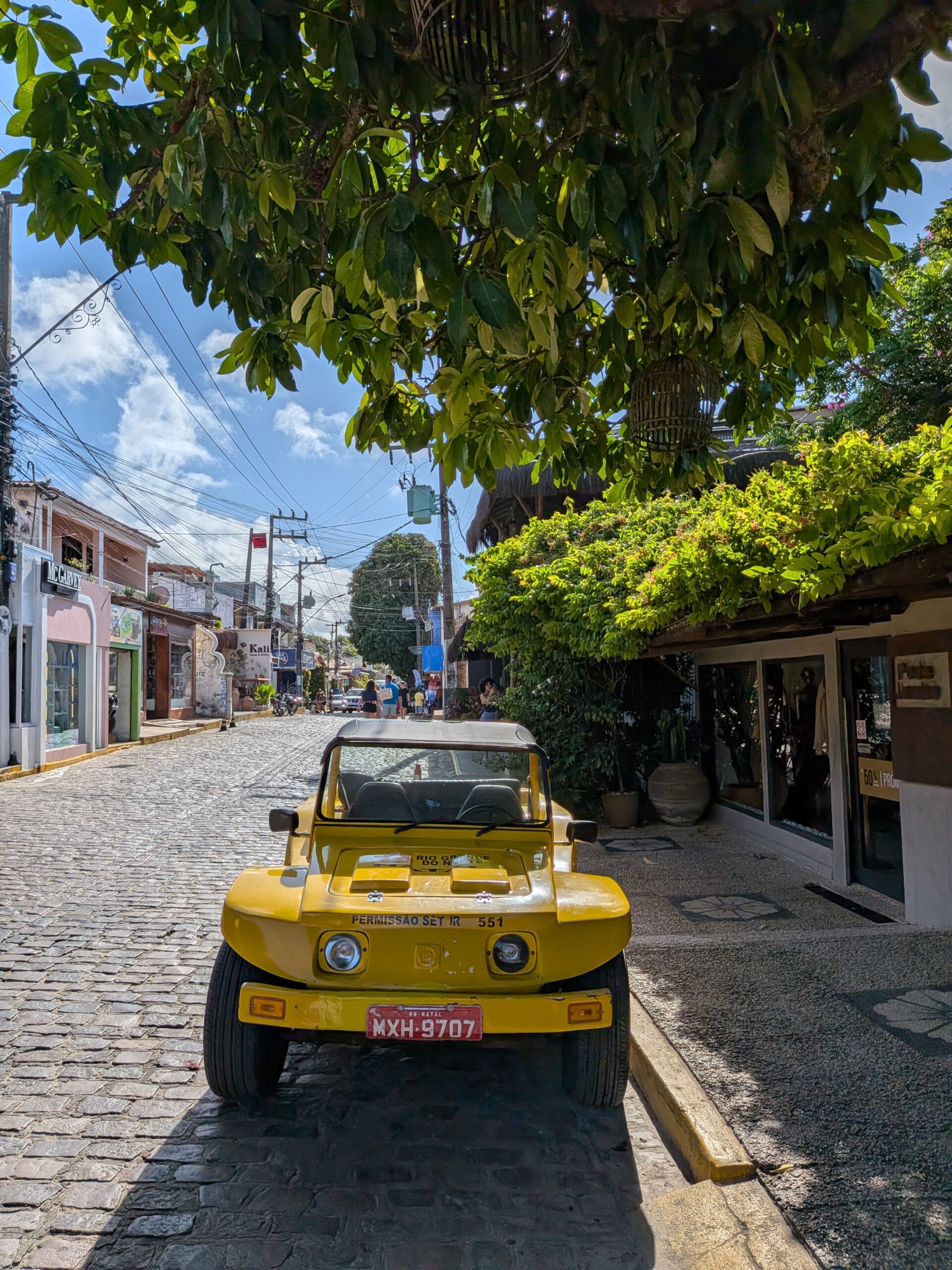
Photo: a shared minivan loading passengers and bags. A solid middle ground on shorter regional hops — faster than a big bus, cheaper than a private car, and you’ll usually end up chatting with whoever’s next to you.
Private or rental car
Photo: a rental car parked at a scenic overlook. Worth it when you want to stop wherever you like, or when you’re splitting the cost with a couple of other travelers heading the same way. Not always available or advisable everywhere — check local road conditions and driving norms first.

Boats & ferries
Photo: a passenger ferry crossing open water. Often the only option for lake crossings or island-hopping, and worth building the itinerary around rather than treating as an afterthought. Tickets are usually bought at the dock, by cash or card.
Trains
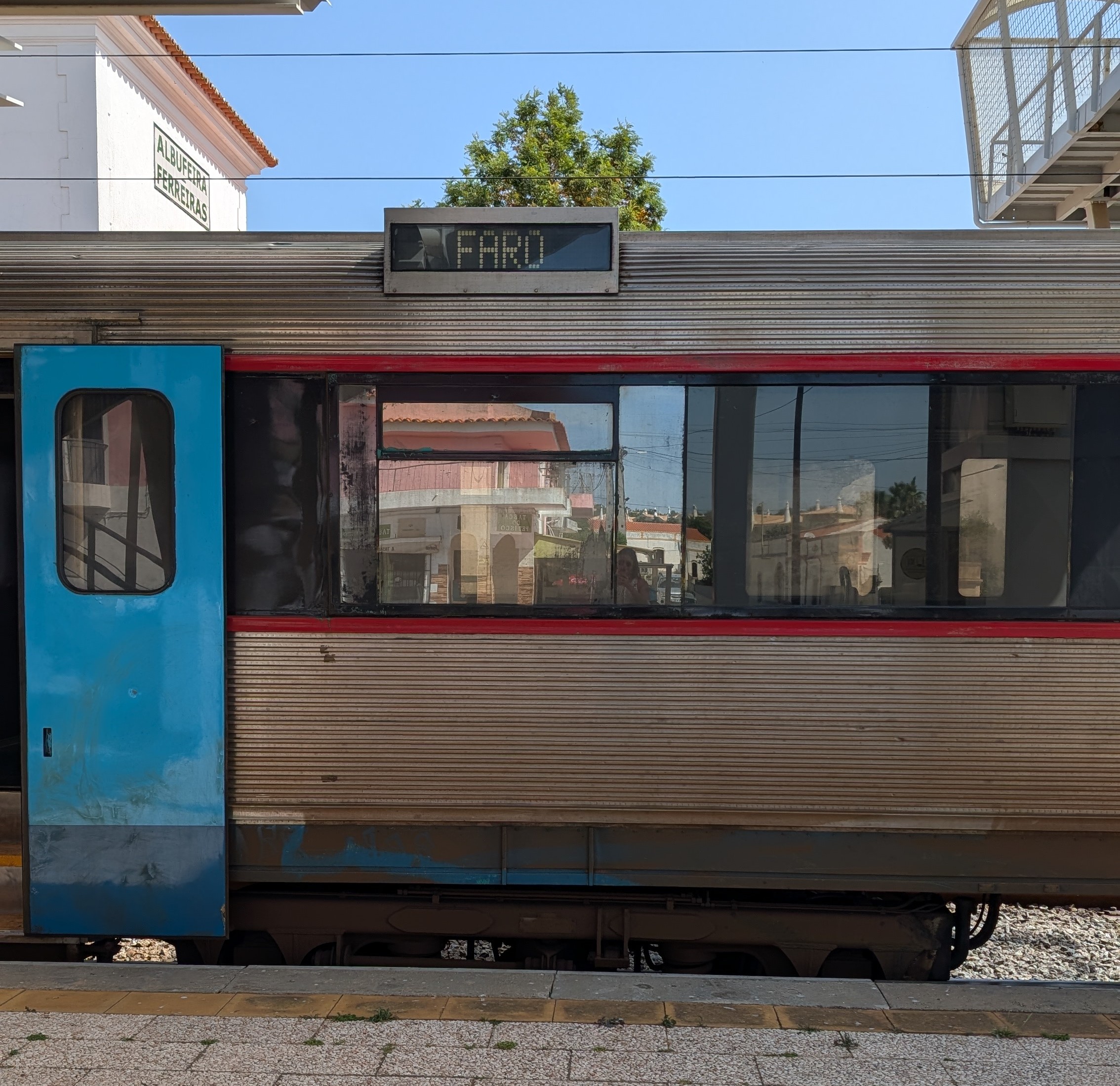
Photo: a train departing a station platform. Genuinely the fastest and most comfortable option when they run — think Europe or India — but in much of the world they simply aren’t an option for the route you need, so don’t build a plan around a train line that doesn’t exist yet.
Practicalities
Booking and paying for all of it
However you’re getting there, a little planning on the payment side saves you both money and hassle.
Ask an AI to build the route
Give it your start point, end point, must-see stops, and days available, and ask for low, medium, and high-budget options. It’ll usually return a solid cost-benefit breakdown in seconds — a genuinely useful starting point before you book anything.
Compare booking channels
Sites like Busbud let you compare and book regional buses in advance. Local airlines may also belong to a points alliance worth checking before you buy direct.
Cash vs. card
In a lot of countries, paying cash at the station gets you a discount on buses and boats — while paying by card can add a surcharge. It’s worth asking which way is cheaper before you pay.
Use the right payment app
Wise, Revolut, and PayPal all work for direct online payments in a lot of places, and Uber or local rideshare apps are usually reliable in cities that take international cards.
Good to know
Frequently asked questions
Should I always just fly if I can afford it?
Not always — but if your trip is under two weeks, it’s usually the right call. You only get so many days off; spending one of them wrecked from an overnight bus is its own kind of expensive.
How do I know if I can handle an overnight bus?
Be honest about motion sickness, your ability to sleep sitting up, and how you handle altitude if the route climbs. If you’re not sure, try a shorter overnight leg first before committing to something like a 30-hour ride.
Is it safe to pay for tickets in cash?
In most of the destinations I travel, yes — and it often comes with a discount. Keep the amount reasonable, use a money belt or similar, and read up on the specific route and country beforehand, since this varies a lot place to place.
What’s the fastest way to plan a multi-stop route?
Put your start point, end point, and must-see stops into an AI tool and ask for a few budget tiers. It won’t replace your own judgment, but it’s a genuinely fast way to see your options laid out before you start booking.
Planning a route with more stops than answers?
Let’s map out the logistics together — budget, timing, and the transportation that actually fits how you travel.