Wellbeing · Long-Term Travel
When the beautiful stops feeling beautiful
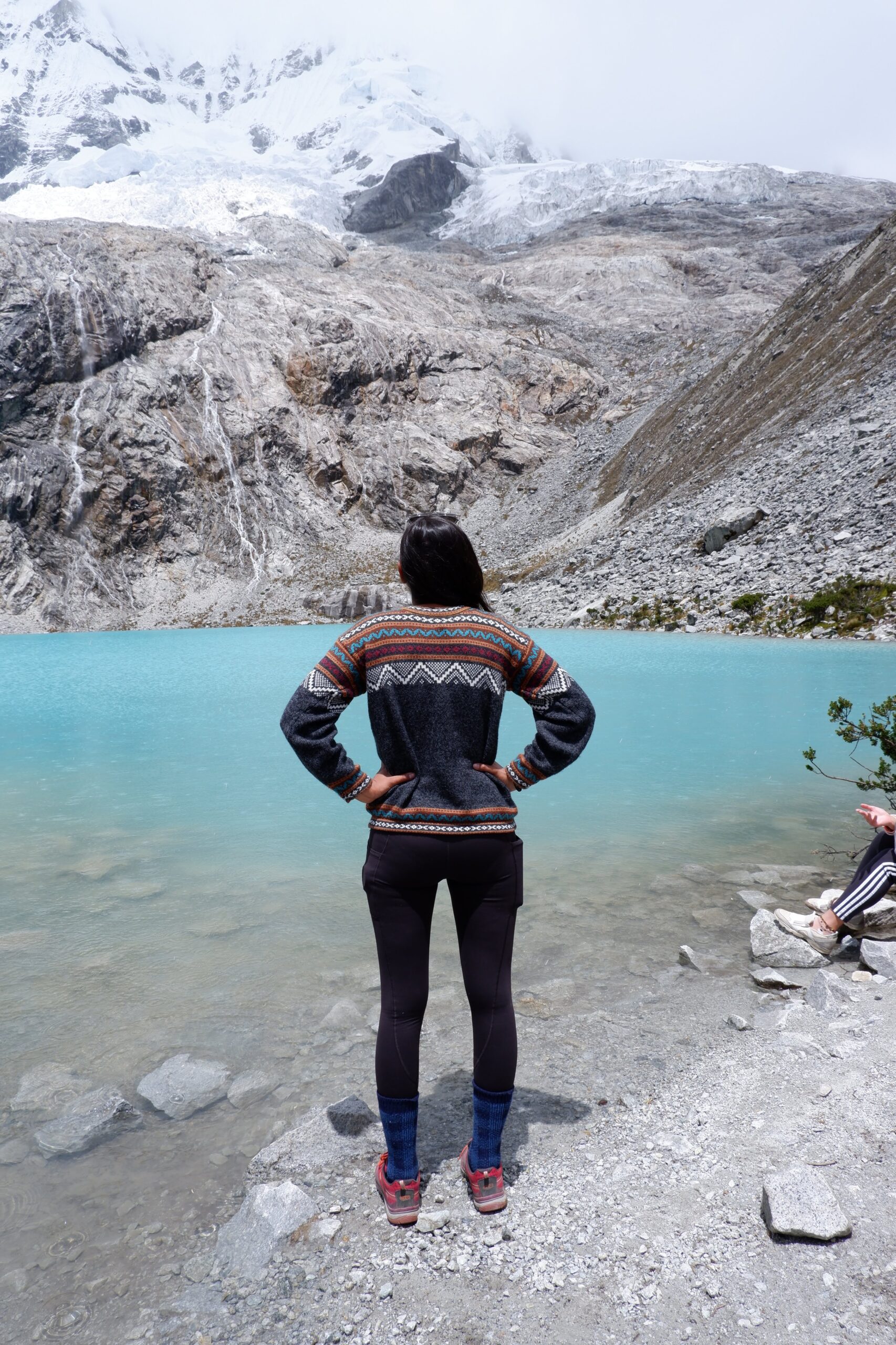
Somewhere around month two of hiking through Patagonia, I caught myself dreading the next stunning view. That’s not ingratitude — it’s burnout. Here’s what it actually looks like, and what got me through it.
Long-term travel has a reputation for being one long high. Nobody really prepares you for the stretch where the views blur together, choosing dinner feels like a chore, and you catch yourself wondering why you’re not more excited about a place you’d have killed to see a year ago. That happened to me in Patagonia — Torres del Paine, then El Chaltén, then a decision about Bariloche I almost couldn’t make. A friend finally said it plainly: you’re seeing too many beautiful things, come back to this one in a few years. She was right. This is what travel burnout actually felt like for me, and the handful of habits that kept me on the road without running myself into the ground.
Before you can fix it
What travel burnout actually looks like
Physical
The body keeps the score. Seven or eight days of hiking 20 kilometers in and out doesn’t just tire you out once — it compounds. Mine showed up as flat energy that no amount of sleep fully answered.
Decision fatigue
It wasn’t outfits — I only had two to choose from. It was food. I started eating the same meal every day, at the same restaurant, because choosing anything new felt like one decision too many.
Emotional flatness
The tell that surprised me most: standing somewhere genuinely stunning and feeling nothing new. Not unhappy — just full. The next beautiful thing stopped landing as beautiful.
Logistics friction
Small tasks I’d normally handle without a second thought — finding a hostel, sorting a bus — started to feel disproportionately heavy. That’s rarely about the task. It’s about what’s left in the tank.
What actually helped
Six ways to stay on the road without burning out

Build in a real reset, every month
Roughly once a month I’d take a couple of days at a hotel by myself — not talking to anyone, wandering the city with no plan, reading by the pool, or just sitting with a margarita. No mingling, no itinerary. It wasn’t a treat. It was maintenance for a social battery that was genuinely running low.
Don’t bunch similar days together
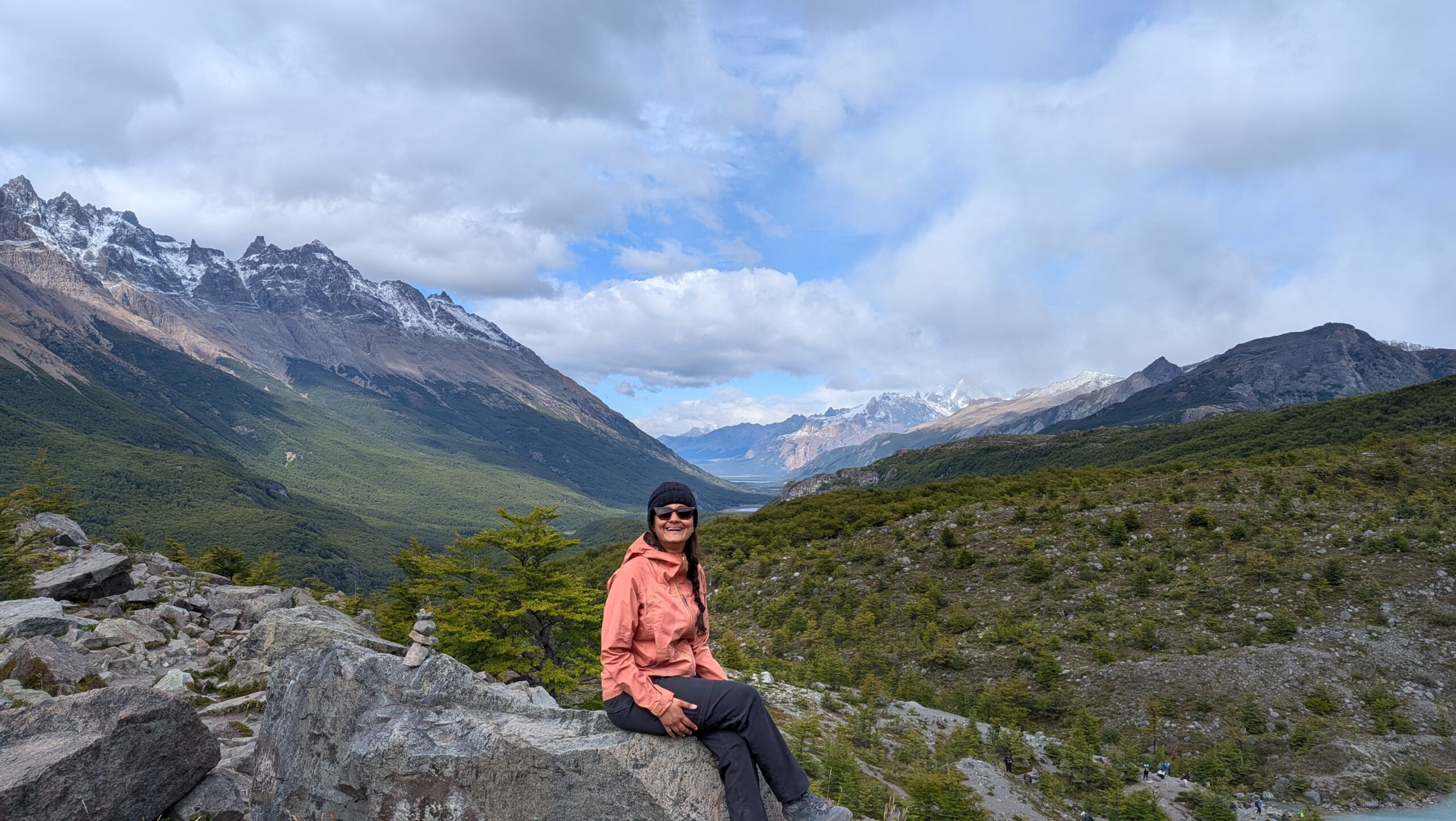
I stopped stacking too many mountain days in a row, or too many party nights back to back. Mixing it up — mountains, then a beach, then a city, then something quiet — kept any one kind of experience from wearing thin. If I’d overdone the nightlife, I’d deliberately swing toward wine tasting or a hike instead.

Let someone else take the wheel
In Brazil, I started leaning on local friends I’d made — if they wanted to eat somewhere or do something specific, I’d just go along. I’d still pick one activity a day, but handing the rest of the decisions to someone else, even for a couple of days, took real weight off.
Plan on your good days, not your average ones
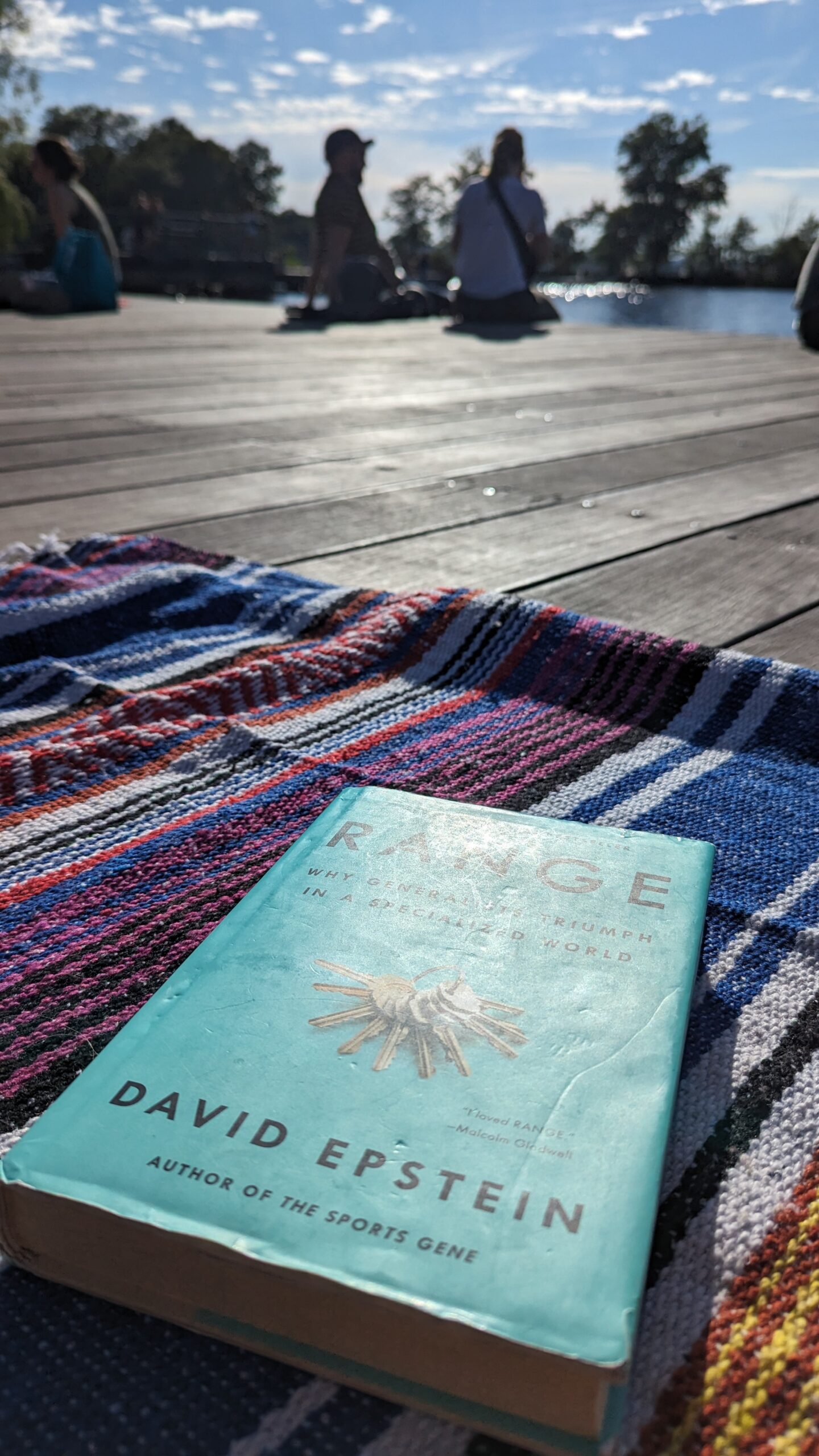
On days when my mood was genuinely high, I’d use that window to plan the next couple of weeks — and then mostly stick to it unless something changed. It’s hard to predict exactly when a dip is coming without a wearable tracking every signal, but noticing my own patterns did most of the work.
Journal it out
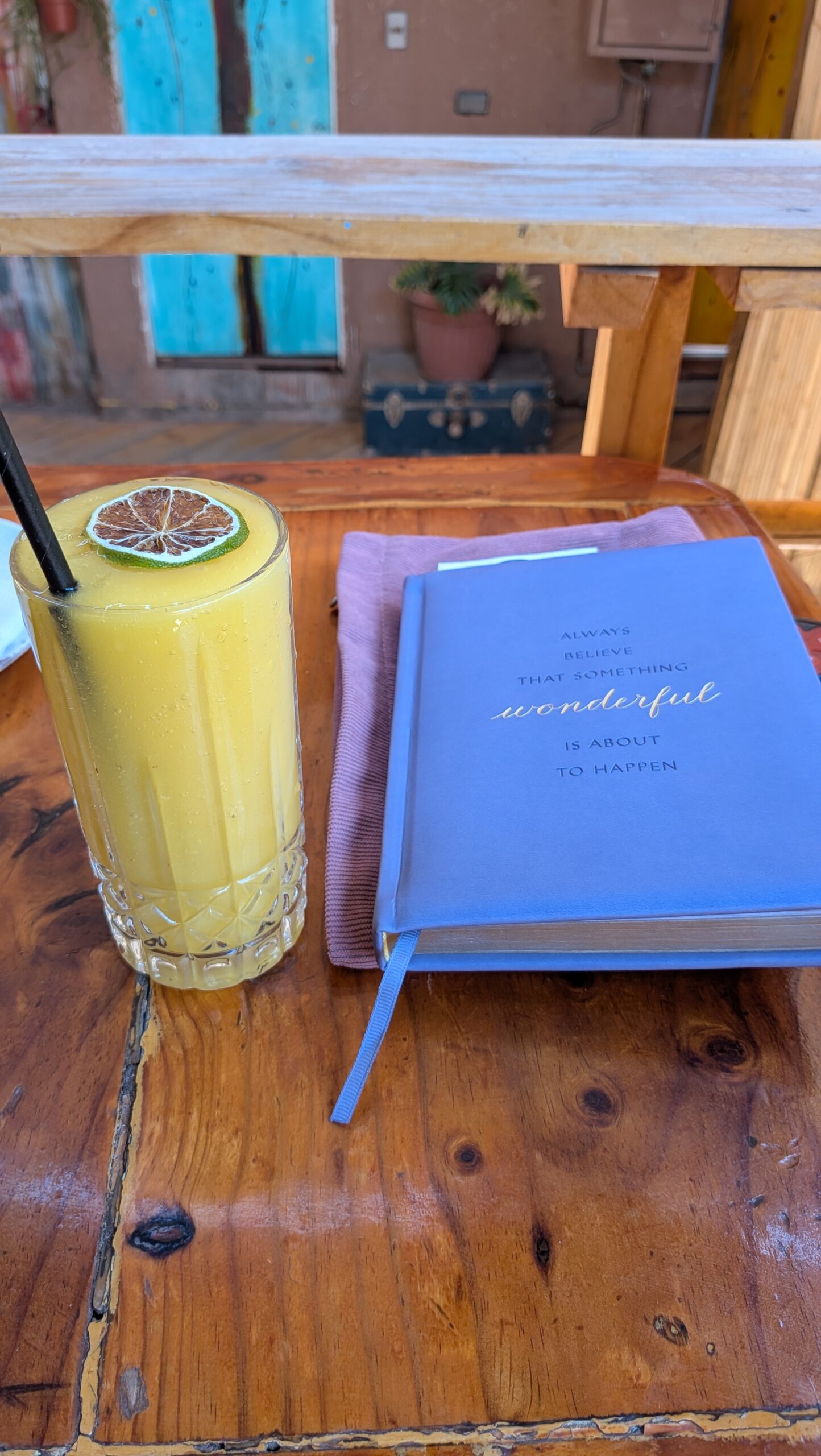
Writing became the release valve. Getting the noise out of my body and onto a page — the exhaustion, the small frustrations, the good stuff too — meant I wasn’t carrying all of it silently from one city to the next.
Let “once in a lifetime” motivate, not guilt
I kept pushing myself with the thought that I wouldn’t get this much time again — and that’s true, and it’s a fair reason to keep going. But the same principle cuts the other way: if the point is to actually experience it, sometimes the most honest use of that time is a slower day, not another summit.
Good to know
Frequently asked questions
How do you tell the difference between a bad day and real burnout?
A bad day usually passes with sleep or a change of scenery. Burnout is quieter and it repeats — it’s the fatigue that a good night’s rest doesn’t fully answer, and the flatness that shows up even in front of something objectively stunning. If that pattern holds for more than a few days in a row, it’s worth treating as burnout rather than pushing through it.
Doesn’t skipping activities mean missing out?
It felt that way at first. But a place seen through a burnt-out lens doesn’t really land anyway — I learned that the hard way trying to decide whether to see more of Patagonia’s lakes when I was already running on empty. Coming back to a place later, rested, is a better use of it than seeing it half-present the first time.
How long should a recharge break actually be?
For me, roughly two to three days worked, spaced about once a month — enough to feel the difference without derailing the trip. Your own rhythm may run faster or slower than that; the point isn’t the exact number of days, it’s noticing when you need it and actually taking it instead of pushing past it.
Planning a long stretch on the road and want it to actually hold up?
Let’s build a pace into your trip from the start, not just a route.