Career Breaks · Solo Travel
Why I recommend a career break trip before your next role
Not a vacation from your career — a conversation with it. Here’s why I keep coming back to the same advice, book after book, trip after trip.
If you’re switching jobs, if you got laid off in this economy, or if you’re simply staring down the same title for another decade — take the break first. Even a few weeks. Even if you love what you do. I’ve come back from every career break trip I’ve taken with more clarity, more relaxation, and a clearer sense of what I actually want next, not just what’s next in line.
Before you decide
What a career break trip actually gives you
Clarity
Distance from the role — enough space to see whether you actually want the next version of it, or just the paycheck attached to it.
Perspective
A wider map — the world outside your industry bubble, and a window on places that may not stay accessible for another decade.
Courage
Practice being uncertain — the exact discomfort you’ll need to change careers, tested somewhere lower-stakes first.
Rest
A genuine reset — better sleep, lower anxiety, and a nervous system that isn’t running on rat-race defaults.
The Case
Six reasons I keep saying yes to the break

It’s okay to be bored
We define ourselves by our job title because the alternative — not knowing who we are outside of it — is scary. You’re not meant to do the same thing forever. If you’re a specialist and you love the depth, that’s genuinely fine. But if you’re bored, that boredom is information, not a character flaw.

What Die With Zero got right
Someone I met traveling in Brazil told me the way I think of time and money was practically lifted from this book. I read it to check whether I was thinking about it the right way. I was — and it’s why I keep taking these trips instead of banking the time for someday.

The world isn’t waiting
Over a decade of traveling, I’ve watched natural disasters, political shifts, and instability close doors on places I once walked through freely — some of them likely off the map for me for another decade or more. If somewhere’s calling you, the “someday” version of that trip may not exist.

Every age is already doing this
I met so many Europeans in their early twenties taking these trips without a second thought — braver about it than I was, with less money and less permission than I’d given myself. I met people on sabbaticals decades into their careers, too. There’s no correct age for this. There’s just the decision.

Adaptability isn’t built at a desk
We all put “adaptability” on our resumes, but it’s one of the hardest things to actually practice once you leave your comfort zone. Zip lining through a jungle, getting lost in translation, changing plans on the fly — this is where it actually gets built, not in a performance review.

Come back with a plan, not just a tan
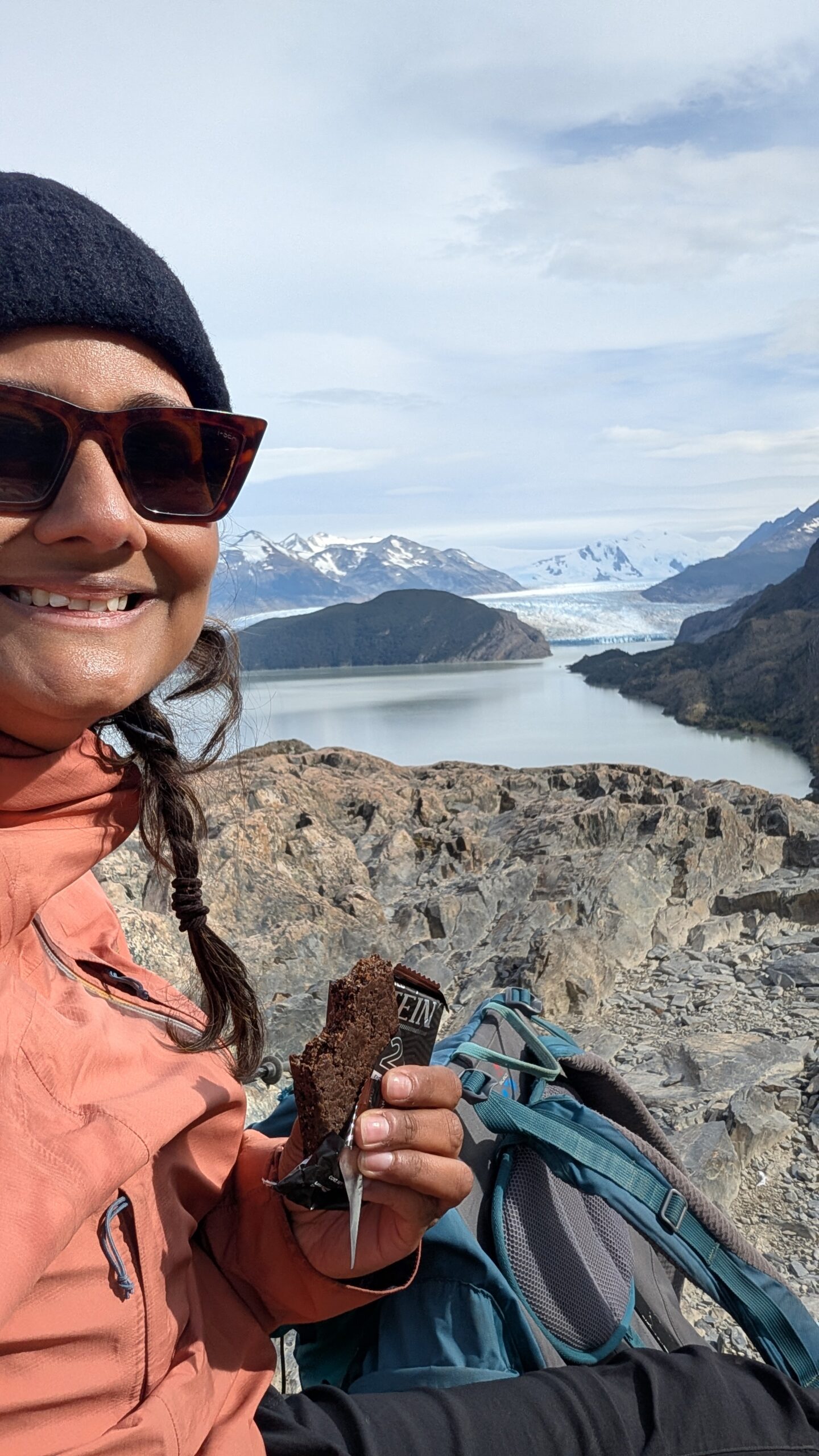
Keep a journal while you’re out there. Use the trip to actually reassess what matters and what doesn’t — the hikes and the new friendships help, but the reflection is what turns a nice trip into a real reset.
Good to know
Frequently asked questions
Isn’t a career break risky for my resume?
It can feel that way, but adaptability, cross-cultural fluency, and a clear sense of direction are hard to fake in an interview — and easy to spot when they’re real. A break taken with intention reads very differently from a gap left unexplained.
How long should a career break trip be?
Long enough to stop operating on your old routines. For some people that’s a few weeks; for others it’s a few months. The point isn’t the number of days, it’s giving yourself enough time to actually decompress and think.
What if I actually love my current job?
Take the break anyway. This isn’t only for people who are burnt out or job-hunting — it’s for anyone who wants to keep choosing their career on purpose instead of by default.
How do I start planning one?
Start with what’s pulling at you — a region, a kind of trip, a person you want to become on the other side of it. I help people build that plan in our sessions, from budget to route to the harder questions underneath it.
Ready to take your career break trip?
Let’s build a route that gives you the clarity — not just the itinerary.