Mindset · Solo Female Travel
Alone doesn’t mean lonely.
The scariest question before my first solo trip wasn’t “where will I go” — it was “who will I go with.” Here’s what changed the moment I stopped waiting for an answer.
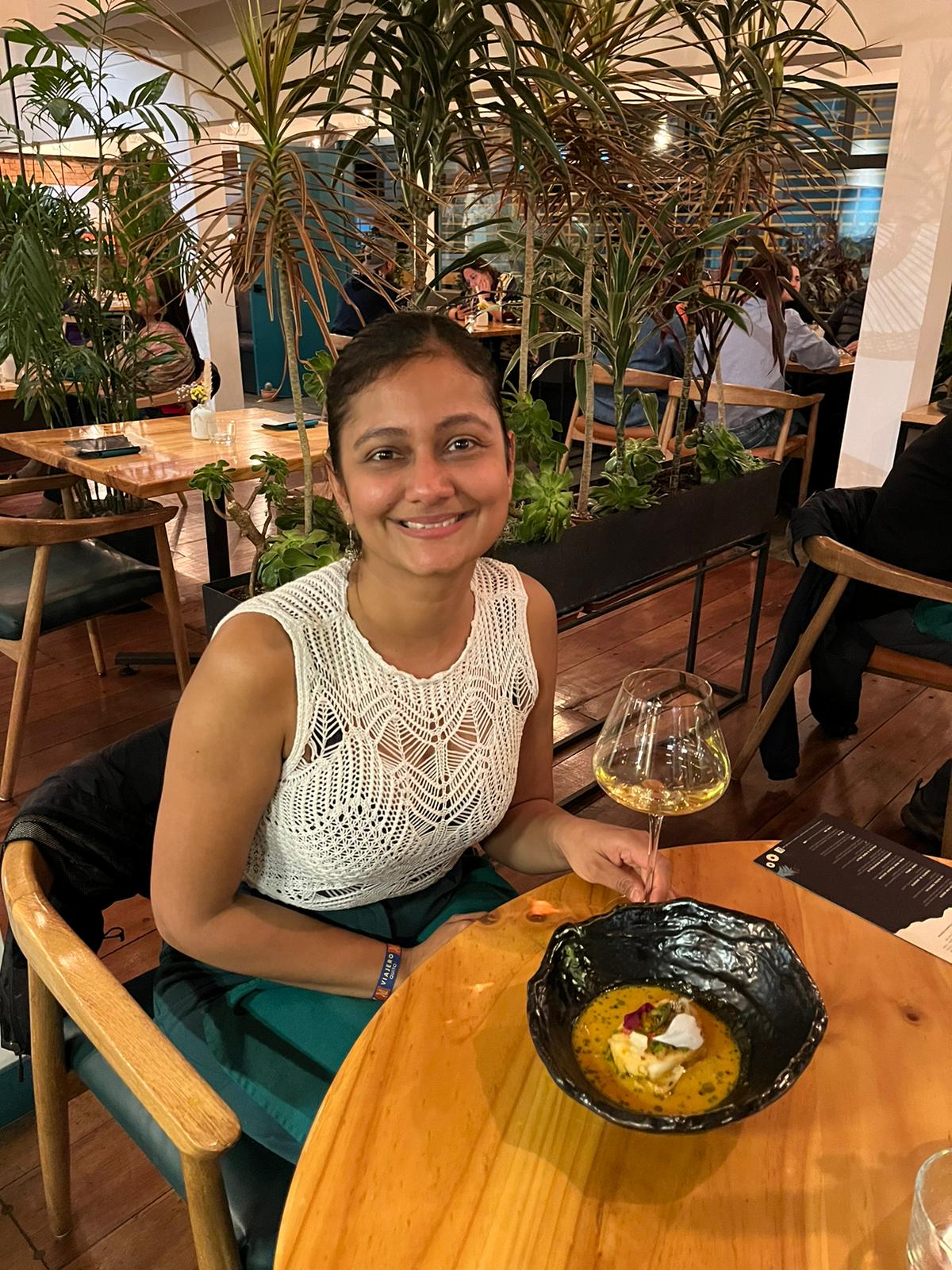
I grew up in a big family, and every trip meant a crowd. So the idea of going anywhere by myself — a solo table, a solo hike, a solo hostel checked into at midnight — felt less like freedom and more like a risk I couldn’t quite justify. How would I stay safe? Would I even enjoy my own food, my own company? I didn’t have answers. I only got them by going.
Before you write yourself off
At a glance
The real lesson
Alone isn’t lonely — they turned out to be two completely different things, and only one of them is actually a problem.
How it actually starts
One solo trip. Then a midnight bus. Then a hike nobody else wanted to do. Confidence gets built by doing it, not by deciding you’re ready.
The moments that taught me
Four times “alone” turned into something else entirely
The midnight walk that changed everything
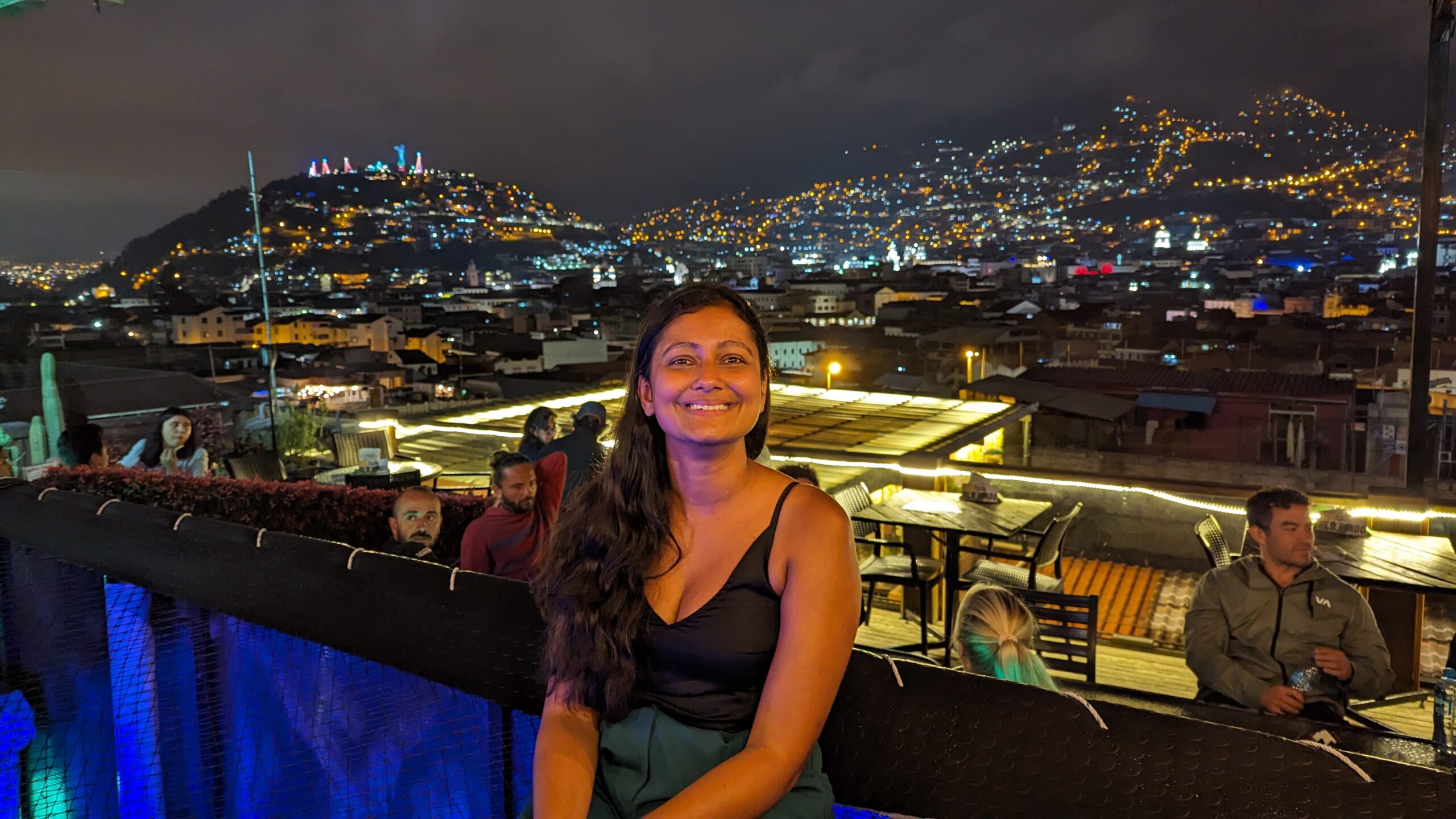
My flight landed at 10pm. I took the local bus, then walked to my hostel at midnight because I was too cheap for a taxi. Not the smartest call I’ve ever made — but I made it there, and I was fine. That was the moment self-reliance stopped being a theory.
Finding people without looking for them
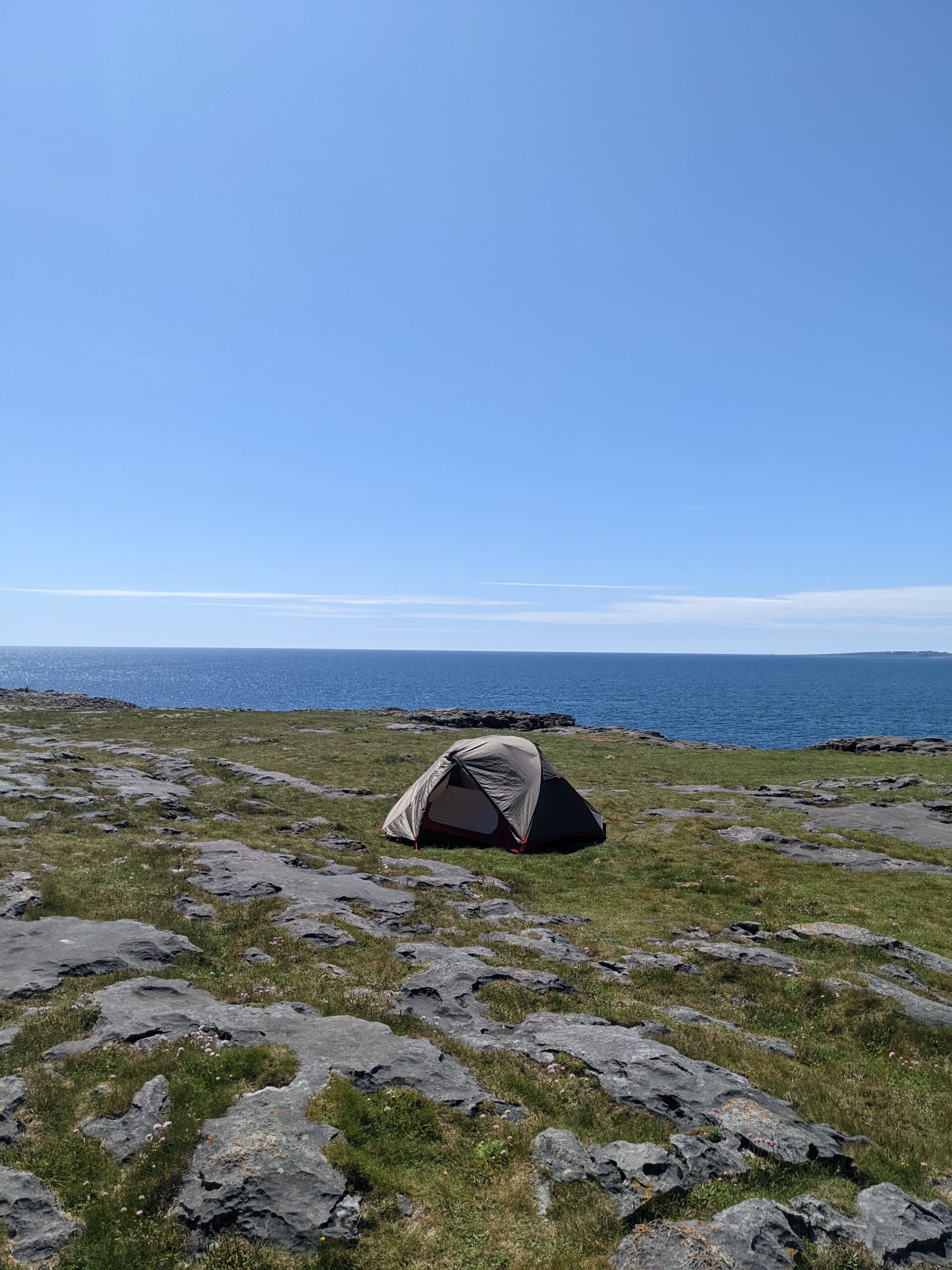
I started booking activities on my own and met a group of women traveling through South America for six months. We kept crossing paths for the rest of my trip. Going alone didn’t mean staying alone — it just meant nobody chose my people for me.
A hike, a language I didn’t speak, a beach afterward
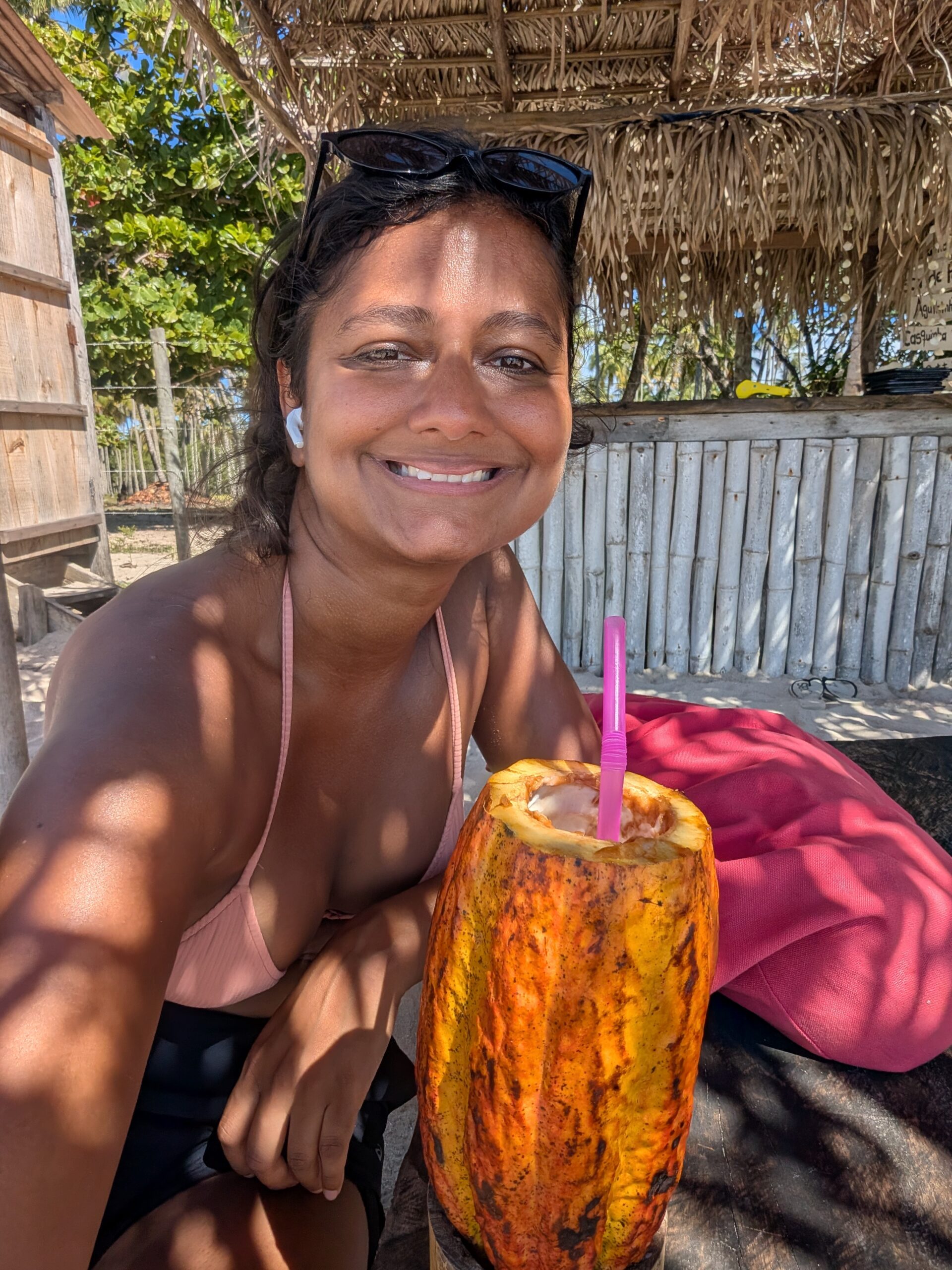
I started a well-traveled hike alone, not speaking a word of Portuguese. Two-thirds of the way in, I fell in with a group of younger hikers — only one spoke English. We managed anyway, ended up at the beach together, then out that night. Shared experience carried what shared language couldn’t.
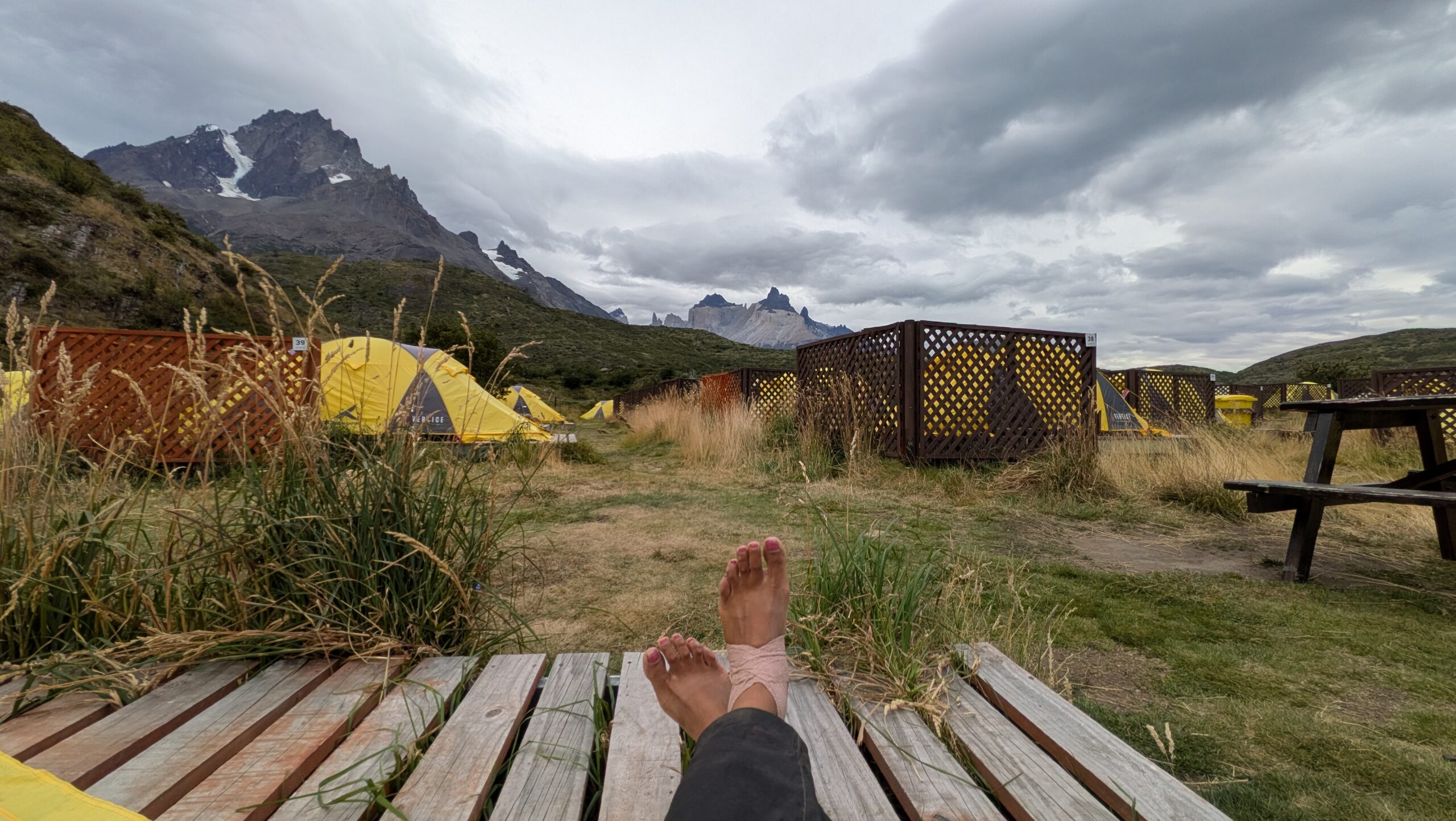
Learning your own social battery
On longer trips, alone time stops being a choice and starts being a need. Some days you want a hotel room and a long sleep, no conversation required. Other days you crave company and go find it. Both are correct — the skill is noticing which one you actually need.
What it’s really for
What solo time actually teaches you
This isn’t about toughing it out. It’s about finding things a group would never have shown you.
What you actually like
Food, pace, plans — your real preferences only surface when nobody else is choosing for you.
Where your limits are
Saying no to a hike, a party, a plan that’s stopped being fun — easier when you’re the only one deciding.
How to read your own energy
Recognizing when your social battery is empty, and giving yourself permission to recharge without guilt.
Good to know
Frequently asked questions
Isn’t solo travel just lonely travel?
Loneliness is a feeling, not a headcount. You can feel far lonelier in a group that doesn’t get you than alone on a hike you chose for yourself. Solitude and loneliness aren’t the same thing — one is imposed, the other is claimed.
What if I don’t want to talk to anyone that day?
Then don’t. A quiet day — reading, sleeping in, eating lunch by yourself — isn’t a failure of the trip. On longer travel especially, that downtime is what makes the social days possible.
How do I actually meet people if I’m traveling alone?
It tends to happen on its own — hostels, group activities, a hike, a meal. Shared experience does most of the work, even across a language barrier. You don’t need a plan for it, just a willingness to stay open when it shows up.
Ready to find out what your own company feels like?
Let’s plan a trip that gives you the room to figure it out.