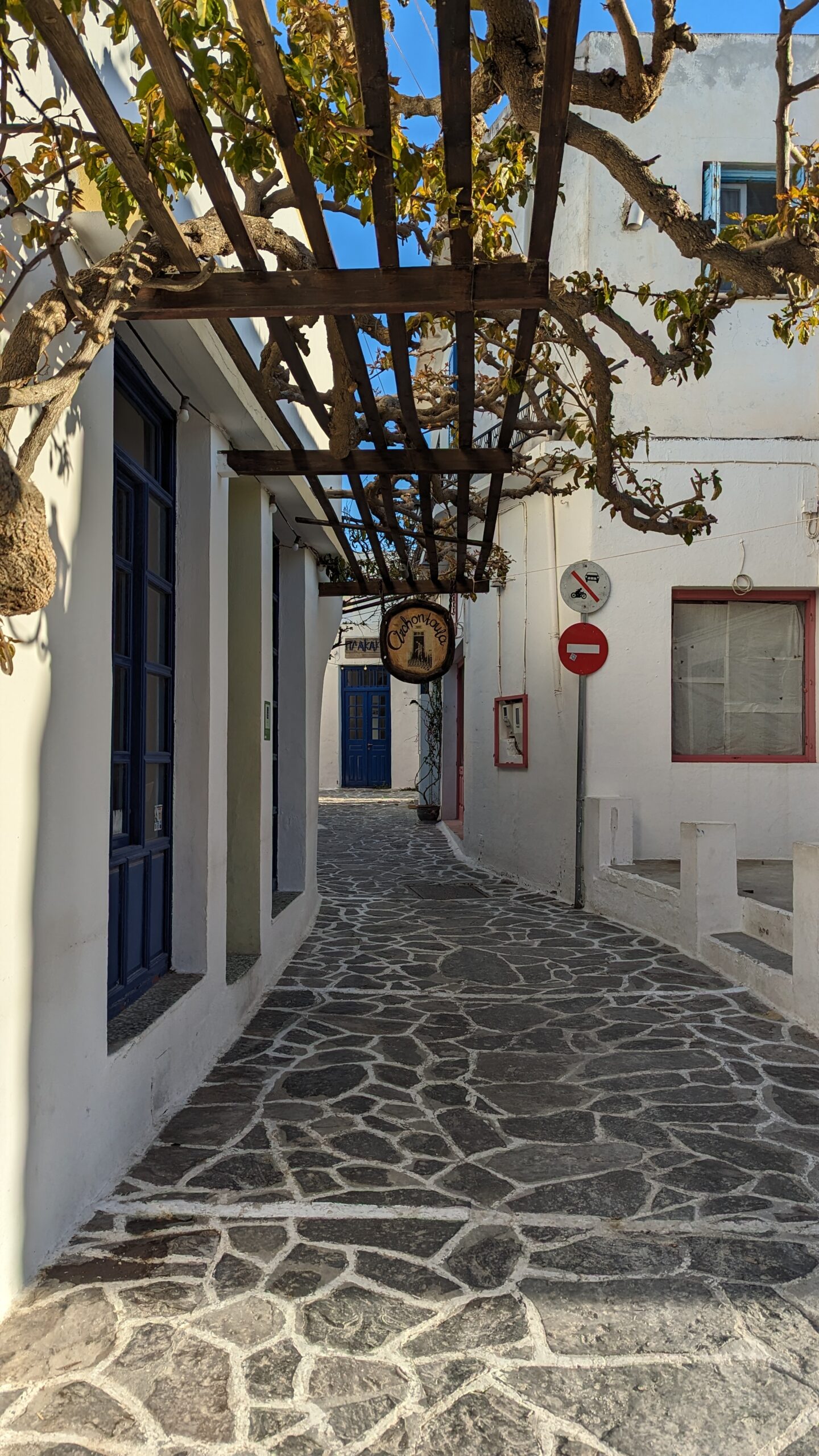
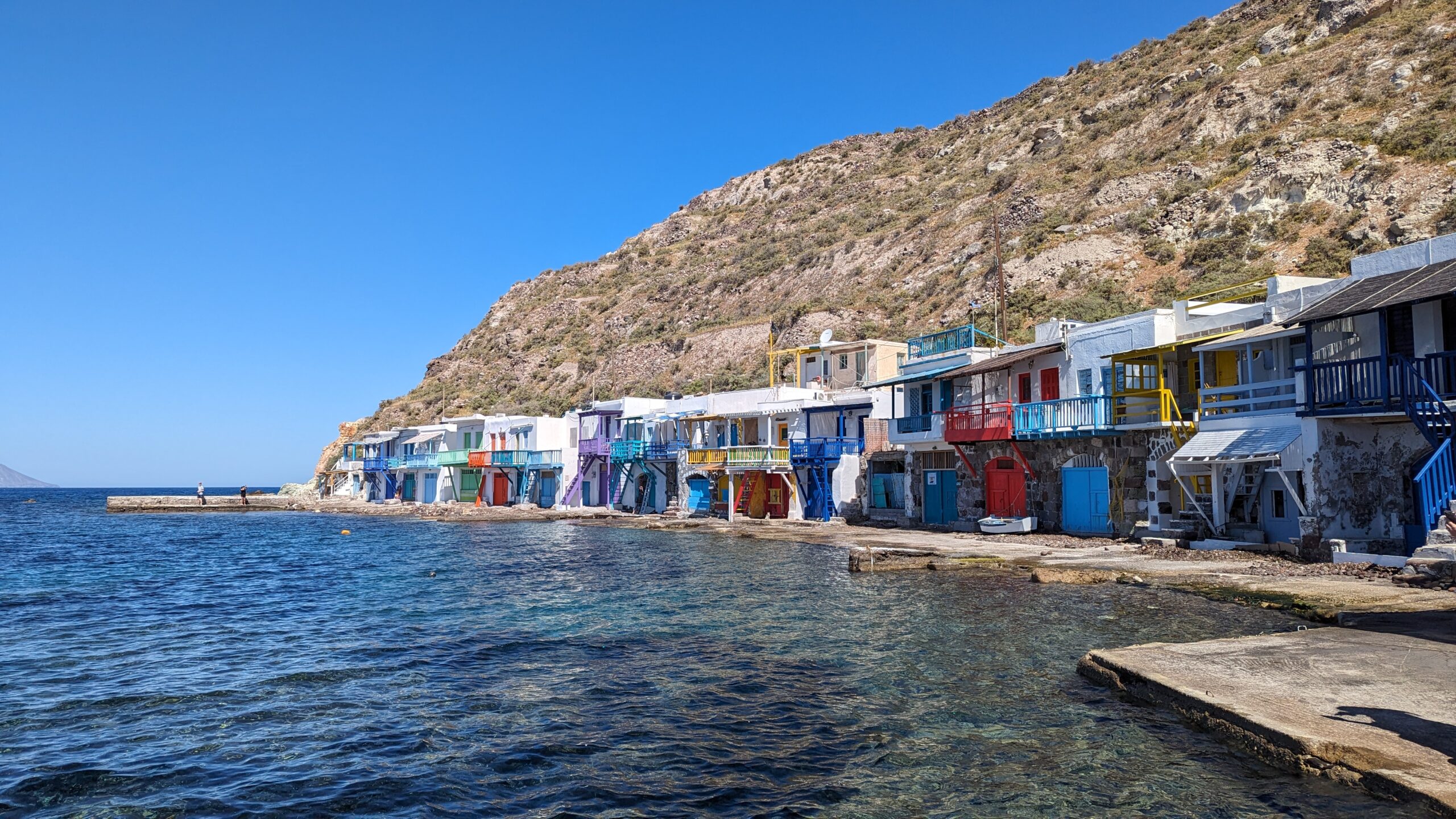
 Empty beach, off-season island street
Solo Female Travel · Trip Planning
High season, low season, or somewhere in between: choosing your window
The best trip isn’t always the cheapest one, and it isn’t always the busiest one either. It’s the one that matches what you actually want out of the destination — and that starts with picking the right season.
Budget is usually the first thing people think about when they plan a trip, but season is the variable that quietly controls almost everything else — price, crowds, who you’ll meet, what’s even open. Before you lock in dates, it’s worth knowing exactly what you’re trading off in each window: high, low, and the shoulder season in between.
Before you go
At a glance
High season
Peak crowds, peak prices — book everything ahead, but you’ll never be short of people to do things with.
Low season
Cheapest and quietest — some restaurants, tours, and attractions may be closed.
Shoulder season
The sweet spot — real savings, real social scene, without the stress of advance planning.
The real question
Are you chasing a specific moment, or trying to see a place on your own terms?
The Tradeoffs
What each season actually gives you
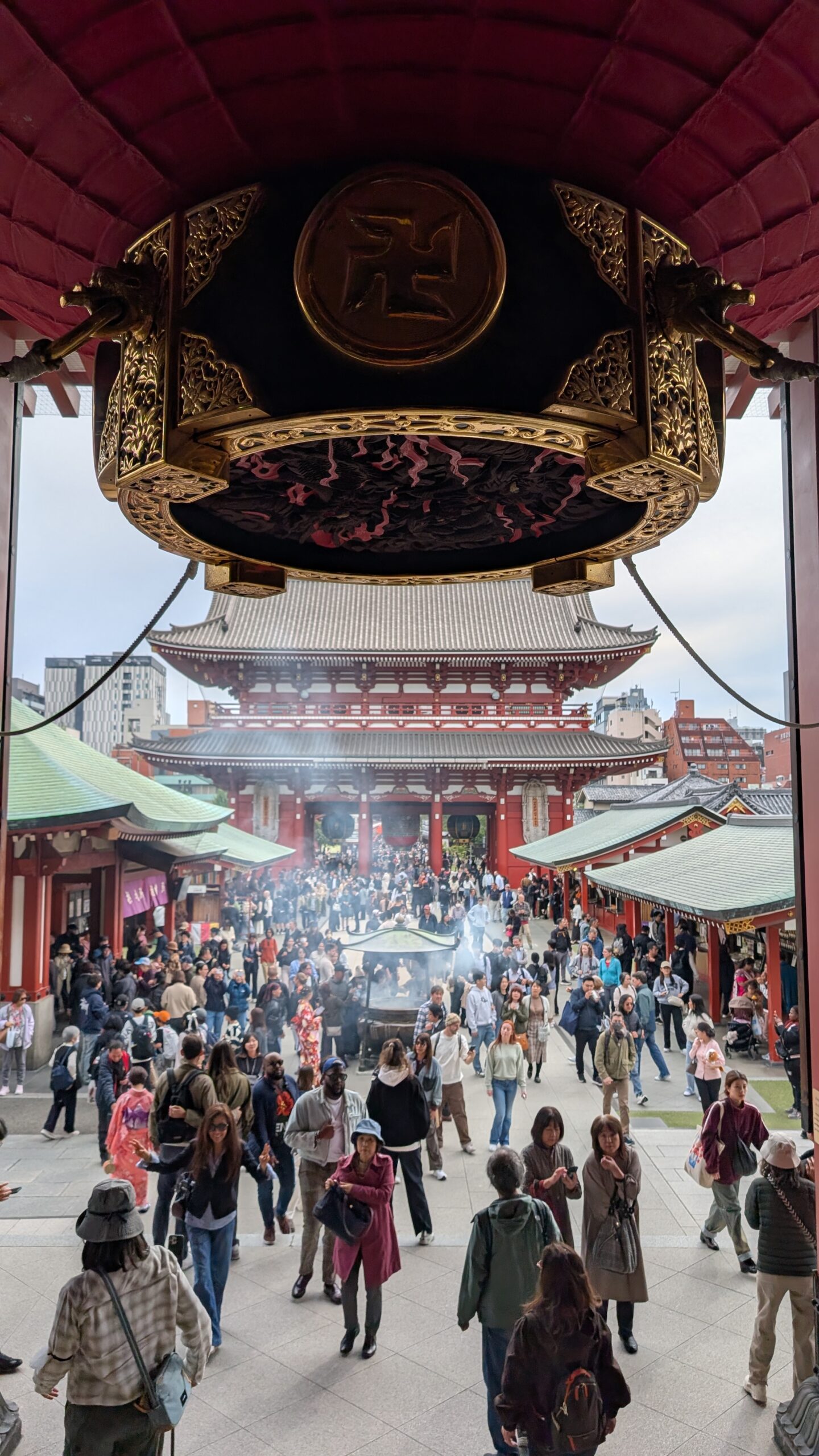
The cost of being where everyone else is
Crowds, fully booked hostels, reservations needed well in advance, and prices that climb accordingly. What you get in return is energy — the streets are packed, the vibe is unmistakable, and you’re never short of people to do things with.
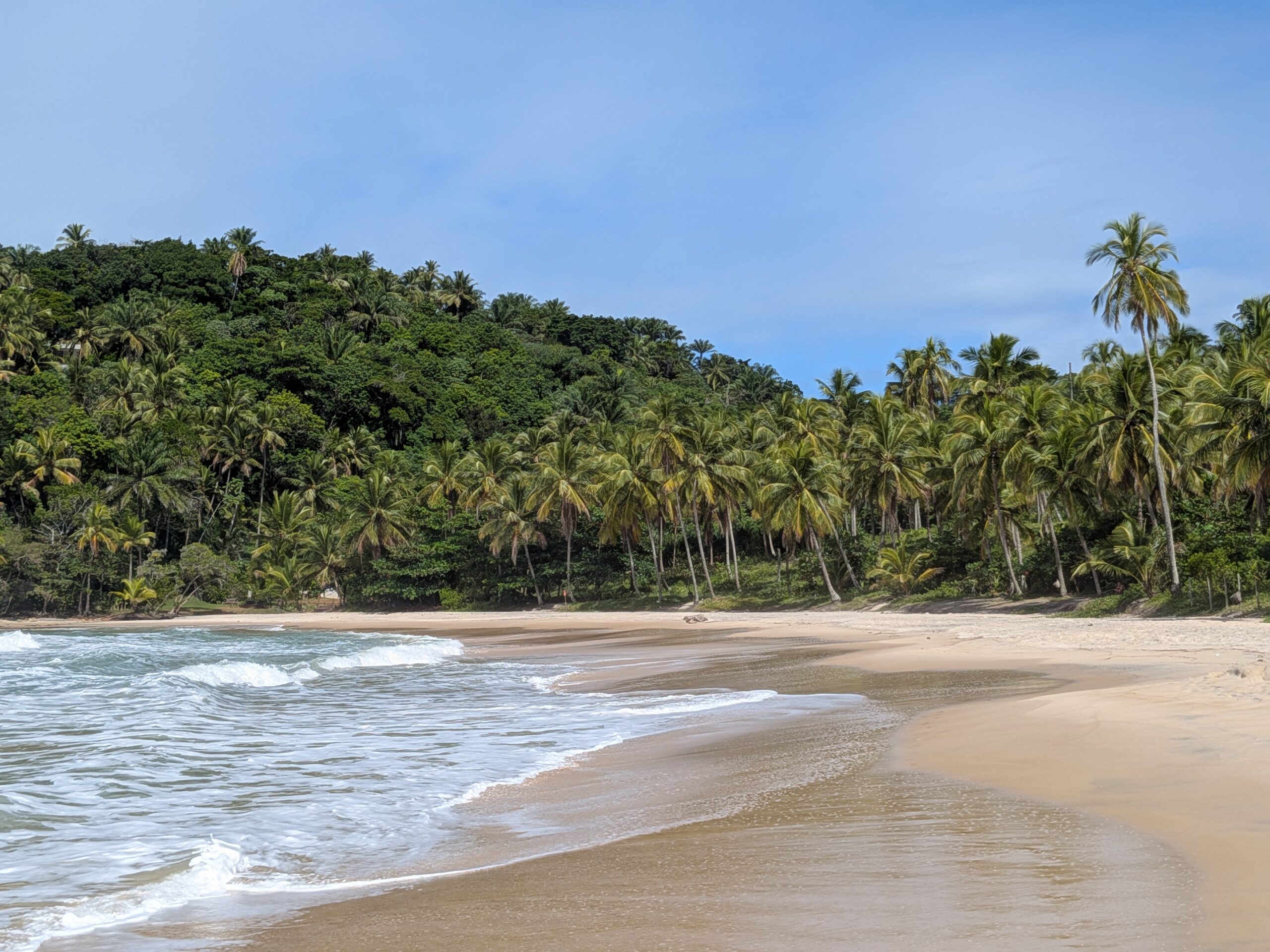
Quiet, cheap, and occasionally closed
This is the other end of the spectrum. Prices drop, crowds disappear, and you get a version of the destination that most travelers never see. The tradeoff is real, though — fewer people to socialize with, and some businesses simply close for the off-months.
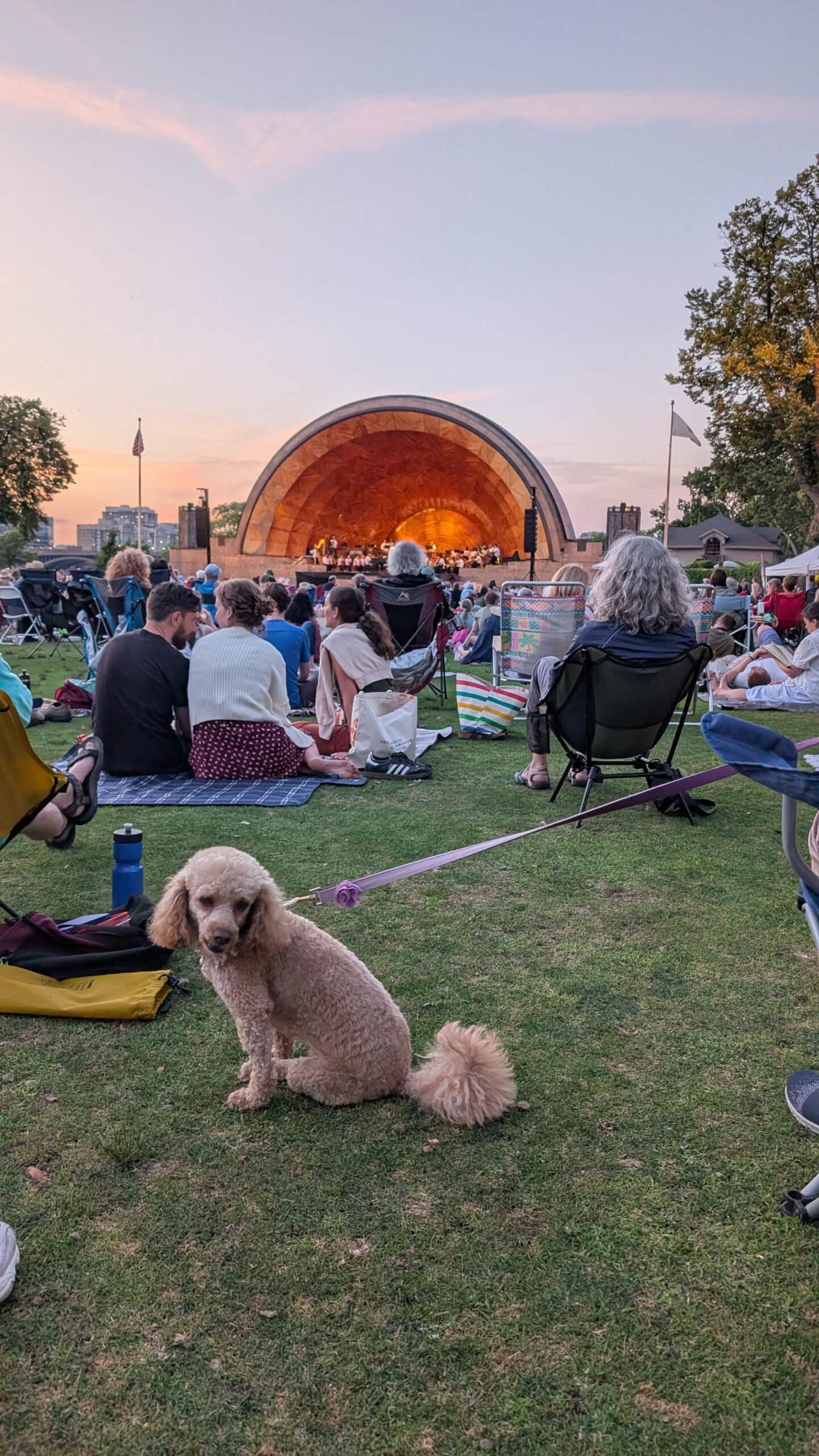
The middle ground that works
You still get a decent amount of socialization — enough people around to make hostels lively and trips easy to coordinate — without the inflated prices or the need to plan every detail months out. Tours and ferries can usually be booked last-minute, hotels are cheaper, and you can genuinely go with the flow.
From the Road
Three trips, three very different windows
These are the trips that actually taught me the difference — not in theory, but in the moment.

When shoulder season gets hijacked by one big event
I landed in Rio during what was technically shoulder season, but Shakira was playing a free concert — and the demand made it feel like full high season. Hostel prices nearly doubled, every venue was packed, and you had to book ahead for things you’d normally just walk into. The tradeoff was worth it: the crowd itself was part of the experience, since everyone around us had made the trip specifically to be there. It also meant built-in safety in numbers — easier to find people for a hike, or to join a favela party as a group instead of alone.
Empty beaches, closed restaurants, no regrets
I arrived on one of the Greek islands just before the season officially started. A good number of restaurants were shut, so my options narrowed — but I still ate well everywhere I did find. The upside was hard to beat: completely empty beaches, ferry tickets bought same-day with zero stress, and hotel rates well below what they’d be a few weeks later. It was a little eerier being there solo as a woman with so few people around, but nothing about it felt unsafe — just quieter than I expected.

Some experiences are worth the premium
I hiked Torres del Paine at the peak of its season. It was more expensive and it was busy — and it was absolutely worth every penny. If something is genuinely on your bucket list, high season isn’t a dealbreaker. It’s just a cost to plan around.
Decision Guide
How to actually choose
Chasing a specific event or bucket-list moment
Lean into high season. Book early, budget for the premium, and treat the crowd as part of the experience.
Traveling solo, want built-in community
High or shoulder season will hand you more people to connect with by default.
Prioritizing budget and solitude
Low season is hard to beat — just check ahead on what’s actually open.
Want the best of both without the stress
Shoulder season is usually the answer. It’s why it’s mine.
Good to know
Frequently asked questions
Is shoulder season actually cheaper than low season?
Not always — low season is usually the cheapest outright. Shoulder season is the best value, balancing savings against what’s still open and who’s still around.
Will I be safe traveling solo in low season?
Generally yes, though quieter streets and empty beaches can feel different when you’re on your own. It’s worth checking that key services — transport, your accommodation, emergency contacts — are still reliably running in the off-months.
How do I find out a destination’s shoulder season?
Look at when major holidays, school breaks, and headline events (concerts, festivals, marathons) land — shoulder season is usually the few weeks just before or after those spikes.
Not sure which window fits your trip?
I can help you map out the right season for where you’re headed — and what to expect once you’re there.