Money · Solo Female Travel
Has travel gotten more expensive — or have I?
It’s the question I get asked most. The honest answer: the world nudged its prices up a little. I’m the one who changed a lot.
One of the questions I get asked most is whether travel has gotten more expensive. And the honest answer is: barely, compared to how much I’ve changed. Most of the math people are doing is really about family size, comfort thresholds, or how they’re traveling now versus how they used to — not really about the world. So let’s separate the two: what’s actually shifted in the industry, and what’s shifted in me.
Before you compare notes
What’s actually shifted in the world
Airfare
Up industry-wide, with real added pressure on ticket prices in the current climate.
Entry fees
Climbing fast at the most in-demand sites — sometimes doubling in a short window.
Attractions
Old favorites get pricier once they hit capacity, and new attractions keep adding fresh costs to the list.
Demand
Far more people traveling and wanting bucket-list experiences, which pushes popular routes to book out further and cost more.
One clear example
Entry fees can move fast
~2x
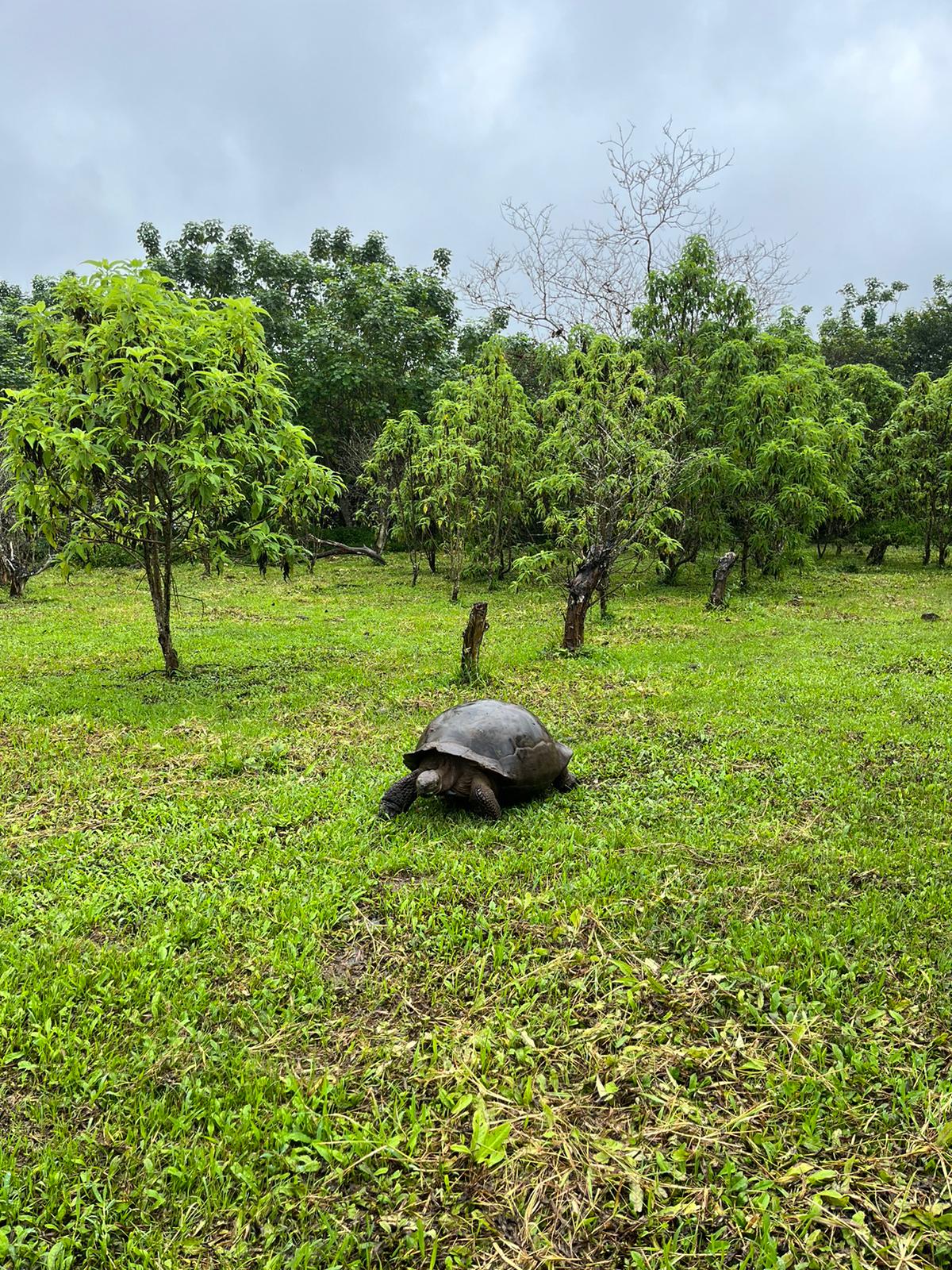
The Galápagos entry fee roughly doubled between one visit and the next — the sharpest single jump I’ve seen firsthand.
Another quiet driver
More to do, at a higher price
It’s not just entry fees at the classics. Two things are happening to activity costs at once, and they compound.
Old favorites
The hikes and sites everyone already wants to do are hitting capacity. Permits sell out, resale and premium tickets creep in, and you end up paying more just to guarantee the spot you used to be able to show up for.
New additions
Meanwhile, destinations keep developing new attractions and experiences to keep travelers coming — which is great for variety, but it’s also just more things on the menu to say yes to, each with its own price tag.
The bigger factor
It’s not the world’s prices — it’s my thresholds
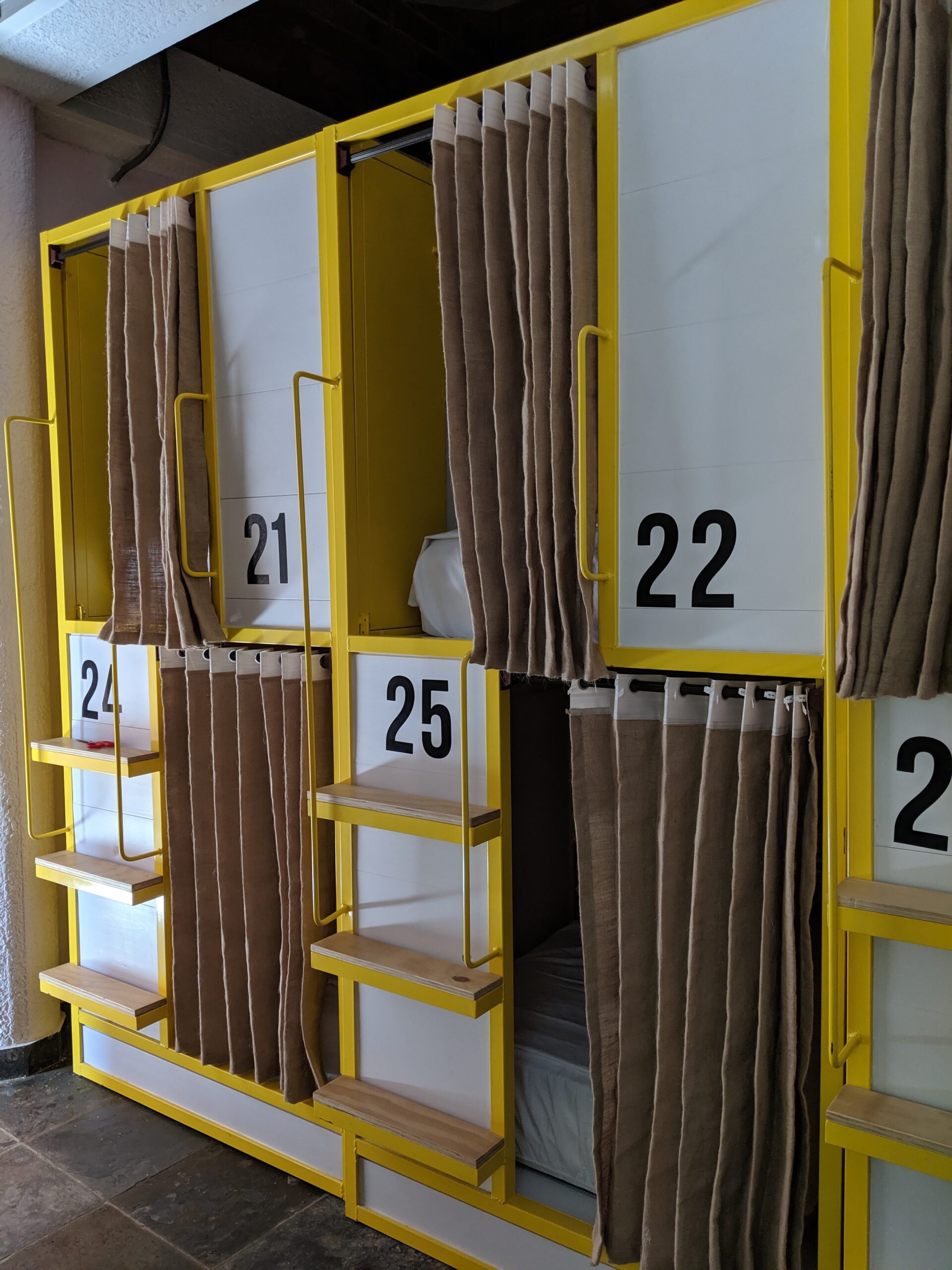
Dorm bed → Private room
I used to negotiate hard for the cheapest dorm bed I could find. I still stay in hostels for the social vibe — but now I book the private room, because I need the space more than I need to save the difference.
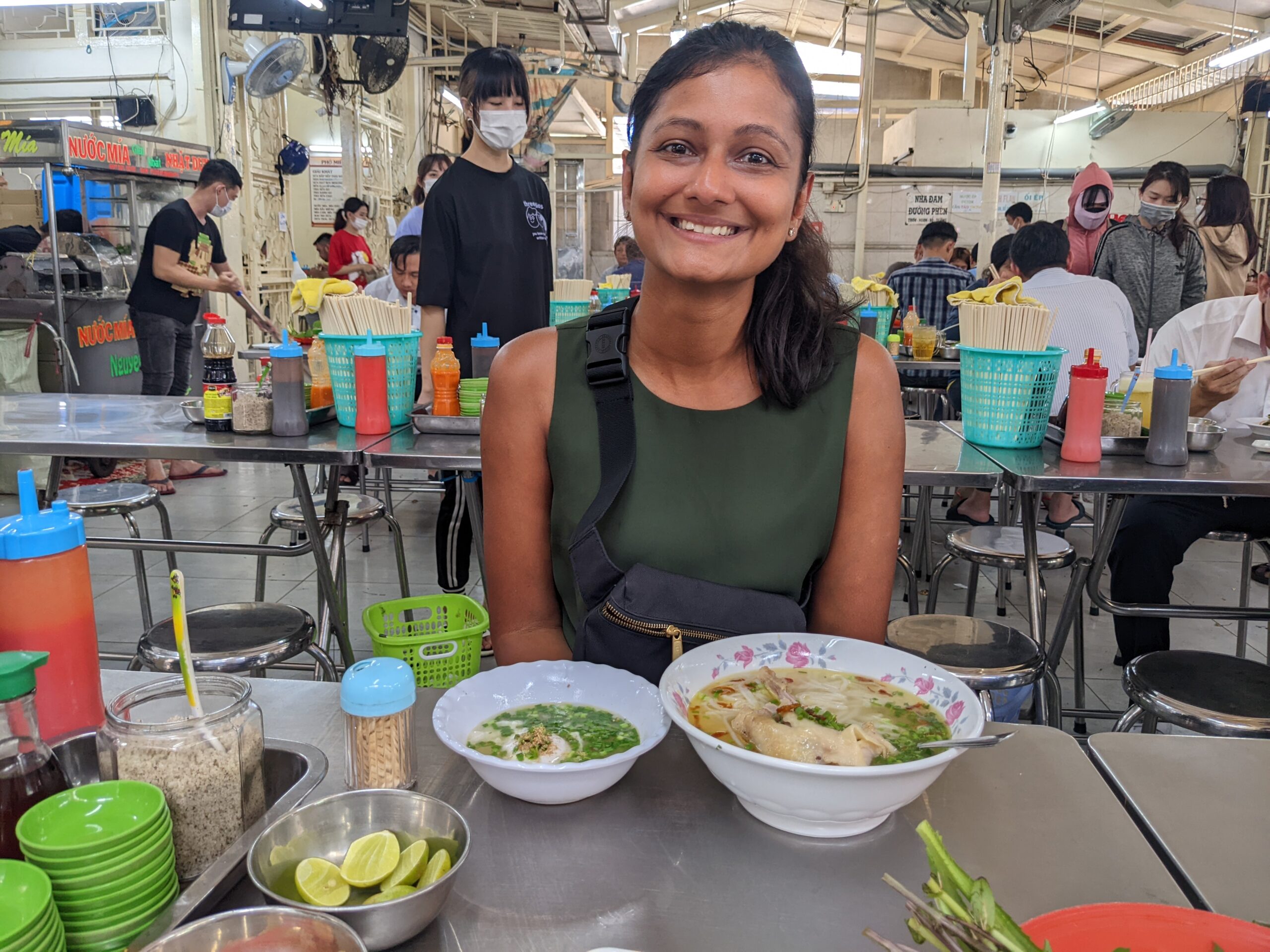
Street food → Real meals
Street stalls used to be the whole diet, and Michelin-anything was never on the table. Now I eat real meals more often — and they add up faster than I expect.

Cheapest beer → A proper cocktail
The cheapest beer on the menu used to be the default. Now I’ll order the cocktail — small choice, but it’s one of a hundred small choices that quietly raise the total.
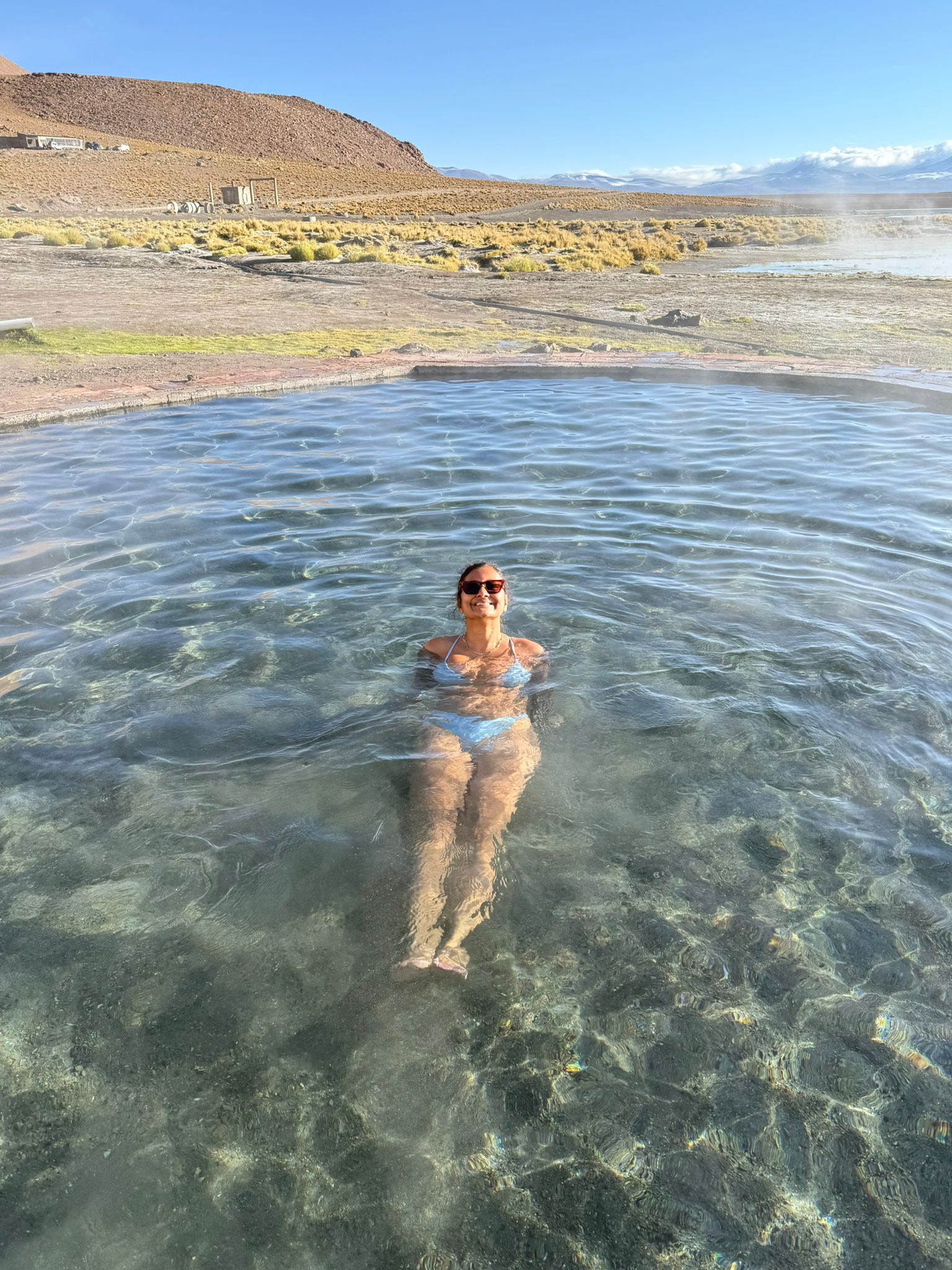
Push through → Book the massage
After a big hike, I used to just push through. Now I need more recovery time, and I’m far more likely to spend on the massage I’d have skipped without a second thought before.
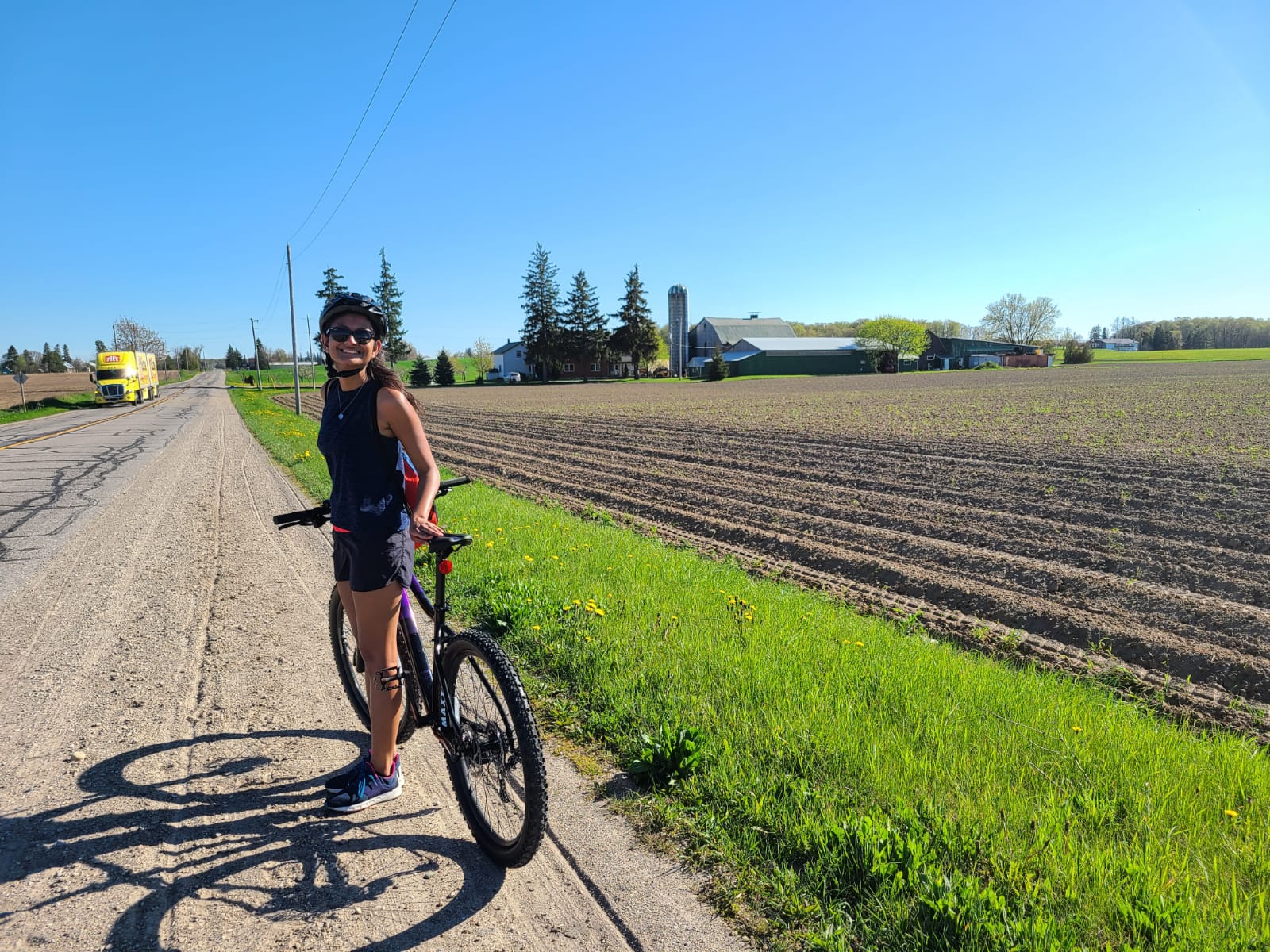
Still the cheapest way there
This is one place my spending hasn’t moved. I still take the cheapest mode my body can handle — bikes, buses, whatever gets me there without ceremony.
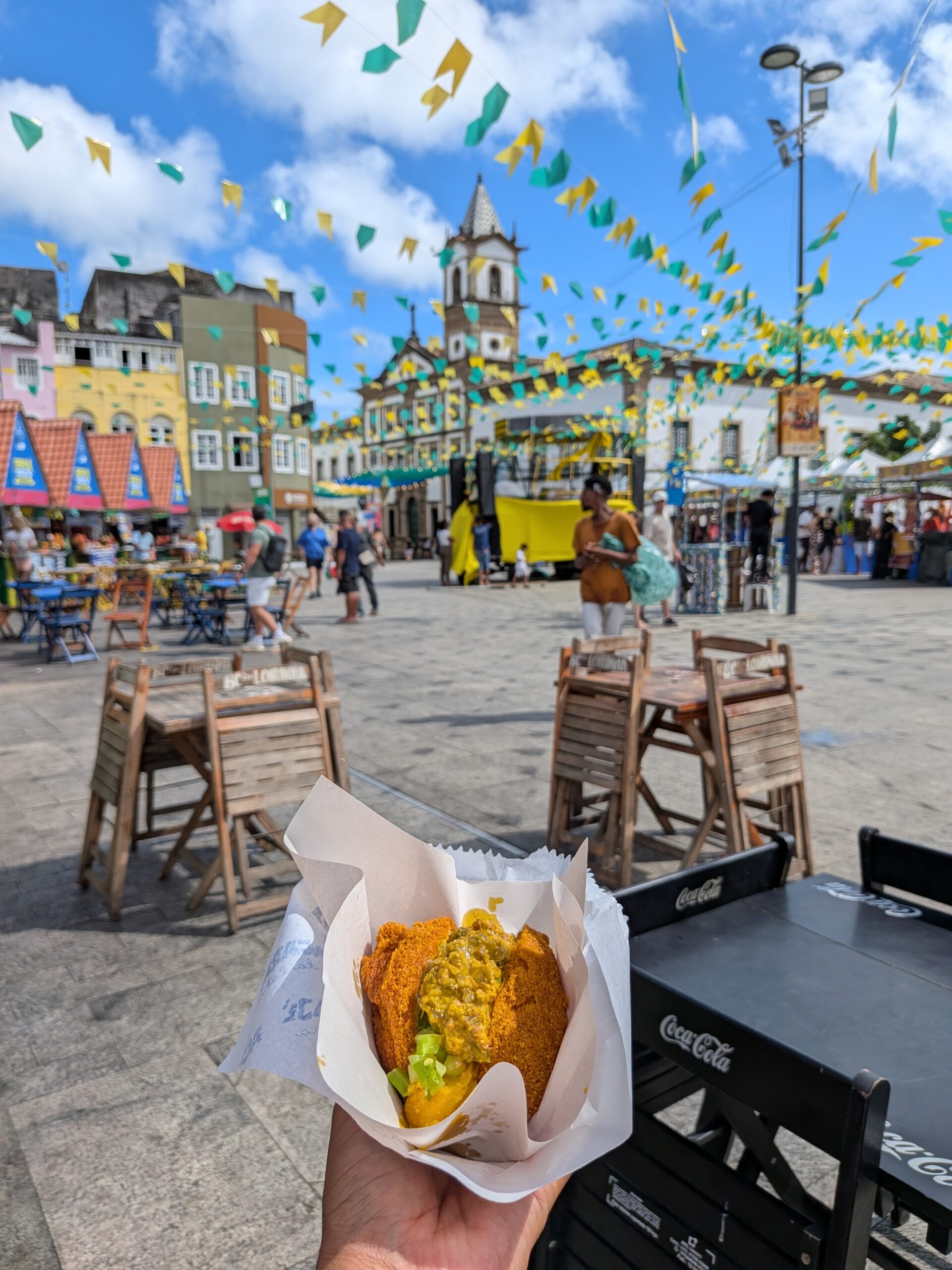
Still chasing the exchange rate
I still gravitate toward countries where my money stretches furthest — which I know isn’t everyone’s reality, but it’s kept this part of the equation steady for me.
Breaking it down
Where the money is actually going
If I’m honest about where my own spending has climbed, it’s three categories, roughly in this order.
Accommodation
Privacy and space cost more than a dorm bed ever did — and that’s the single biggest shift in my budget.
Food
Real meals and the occasional splurge, instead of stretching every dollar through street stalls.
Activities
Experiences I actively choose now — like surfing — that simply weren’t in the budget before.
Good to know
Frequently asked questions
Is it cheaper to travel to less popular countries?
Generally, yes. Popularity drives up entry fees, accommodation rates, and the need to book far in advance — all of which add cost. Less-traveled destinations tend to keep more of their original affordability.
Why do attractions cost more than they used to?
Two things are happening at once. The classics are hitting capacity, so permits and premium access cost more just to guarantee a spot. At the same time, destinations keep developing new experiences to draw travelers, and each new option is one more thing worth paying for.
Why did the Galápagos get so much more expensive?
Rising demand and conservation funding needs have pushed entry fees up sharply — in my own experience, they roughly doubled between visits. It’s one of the clearest examples of a destination’s popularity directly driving its cost.
What’s the biggest lever on my own travel budget?
Usually not the destination — it’s the standard of comfort you’re traveling at. Accommodation privacy, meal choices, and recovery spending move the number far more than the country you pick.
Keep reading
Related reading
How to book accommodation
The map pin matters more than the photos — a framework for choosing where you sleep.
Read the piece →Travel Insurance, Actually Explained
What it actually covers, and the questions worth asking insurers before you book.
Read the piece →Figure out what your travel actually needs to cost
Where to spend, where to flex, and how to plan around the real cost drivers — not just the sticker price.