Solo Female Travel · Outdoors
How to plan hikes in a foreign country
A hundred-plus trails in, here’s how I actually decide whether to book a guide, rent a car with friends, or go it alone — and the checklist I run every single time before I leave the trailhead.
Planning a hike in a foreign country can be daunting — and honestly, it should feel a little daunting. Some trails simply aren’t optional to do solo: Acatenango in Guatemala requires a guide by law, because the volcano is active and evacuation protocols matter. But most hikes fall somewhere between “fully guided” and “fully independent,” and the right call depends on the hike, the country, and how much company you want. Here’s how I actually think through it.
Before you go
At a glance
My level
Medium hiker — I can comfortably do 25km in a day, but a 5–7 day backpacking trip is when I bring in specialized friends.
Non-negotiable
Some trails are guide-required by law (e.g. Acatenango, Guatemala) — check this before you plan anything else.
Go-to tool
AllTrails (paid, offline version) — maps work with no signal, which most trailheads don’t have.
Booking window
Hut-to-hut reservations (e.g. Patagonia) can fill up early in the year — don’t wait to book.
Choosing your approach
Three ways to approach a hike
Guided tour groups
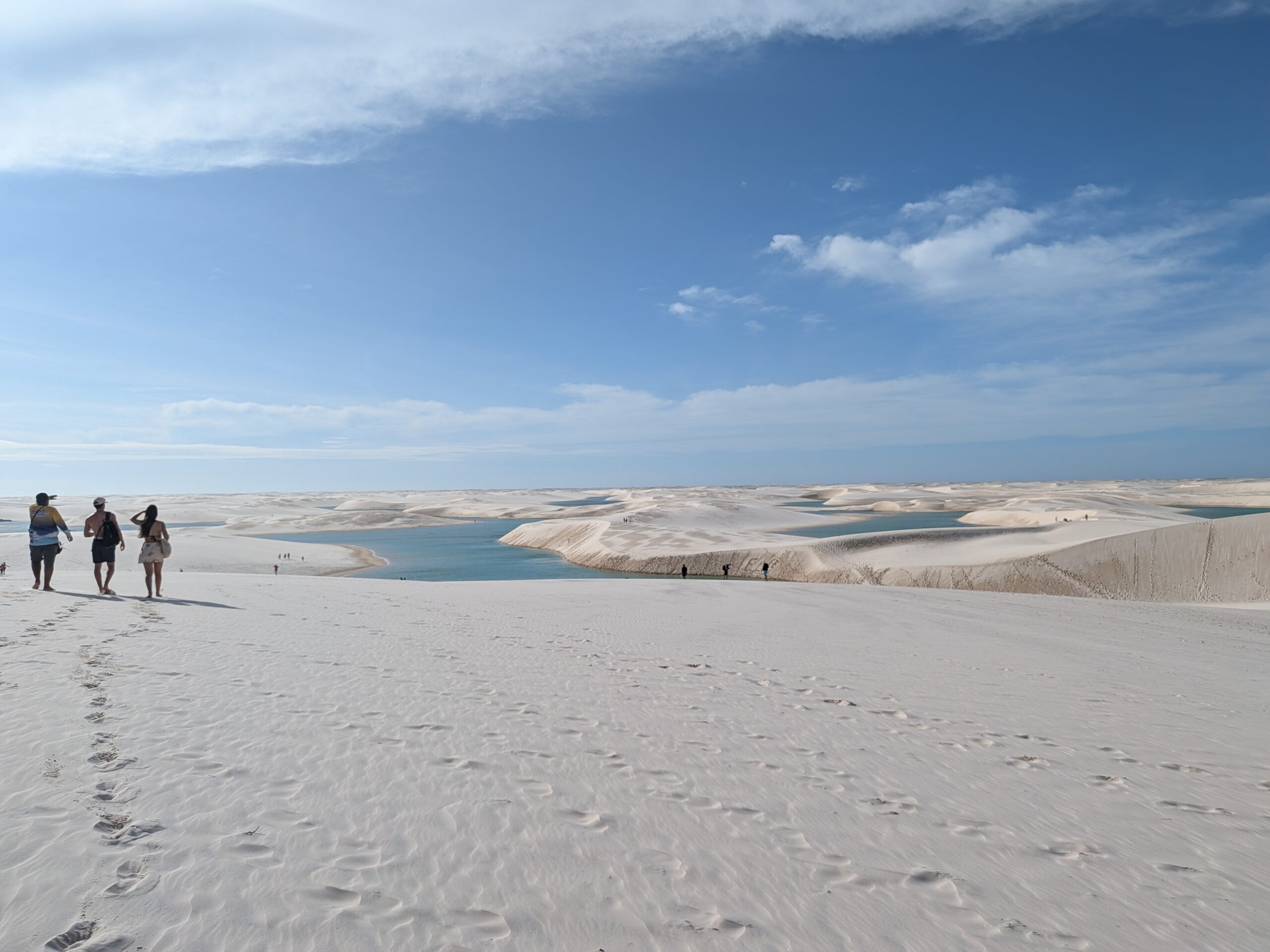
The easiest way to hike somewhere new. Book through Viator, Expedia, or GetYourGuide and the group handles transportation, food, and a trail guide — you just show up and walk. In places where a specific trail legally requires a guide (like Acatenango), this isn’t optional, it’s the only way in.
DIY with friends
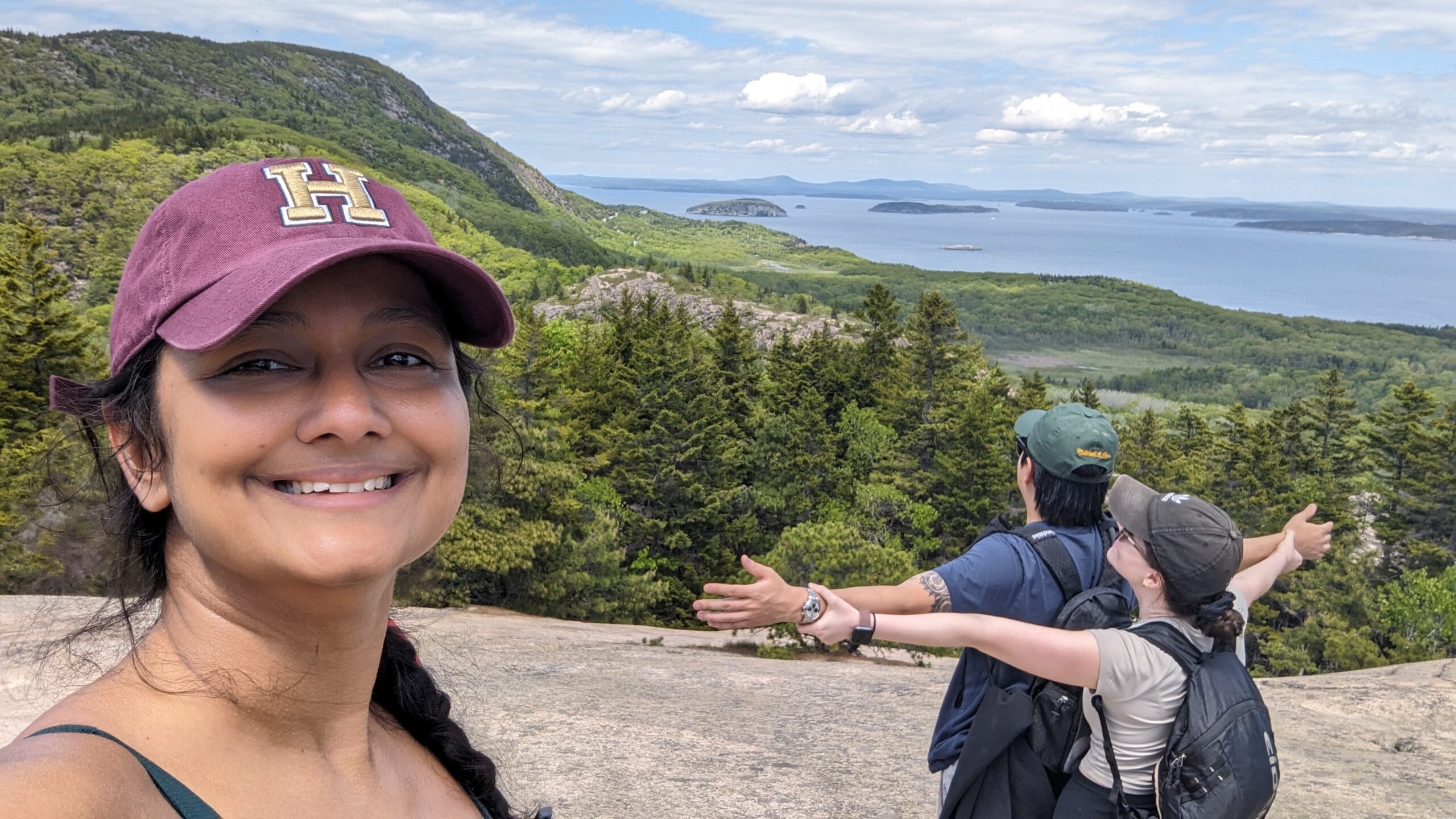
Public transit or a shared rental car, then hike together and come back. Cheaper, especially split across a group, and it tends to feel safer too — well-known trails mean other hikers are usually on the path with you. I did exactly this in Patagonia: rented a car with friends, did the day hike, drove back.
Solo hikes — day and multi-day
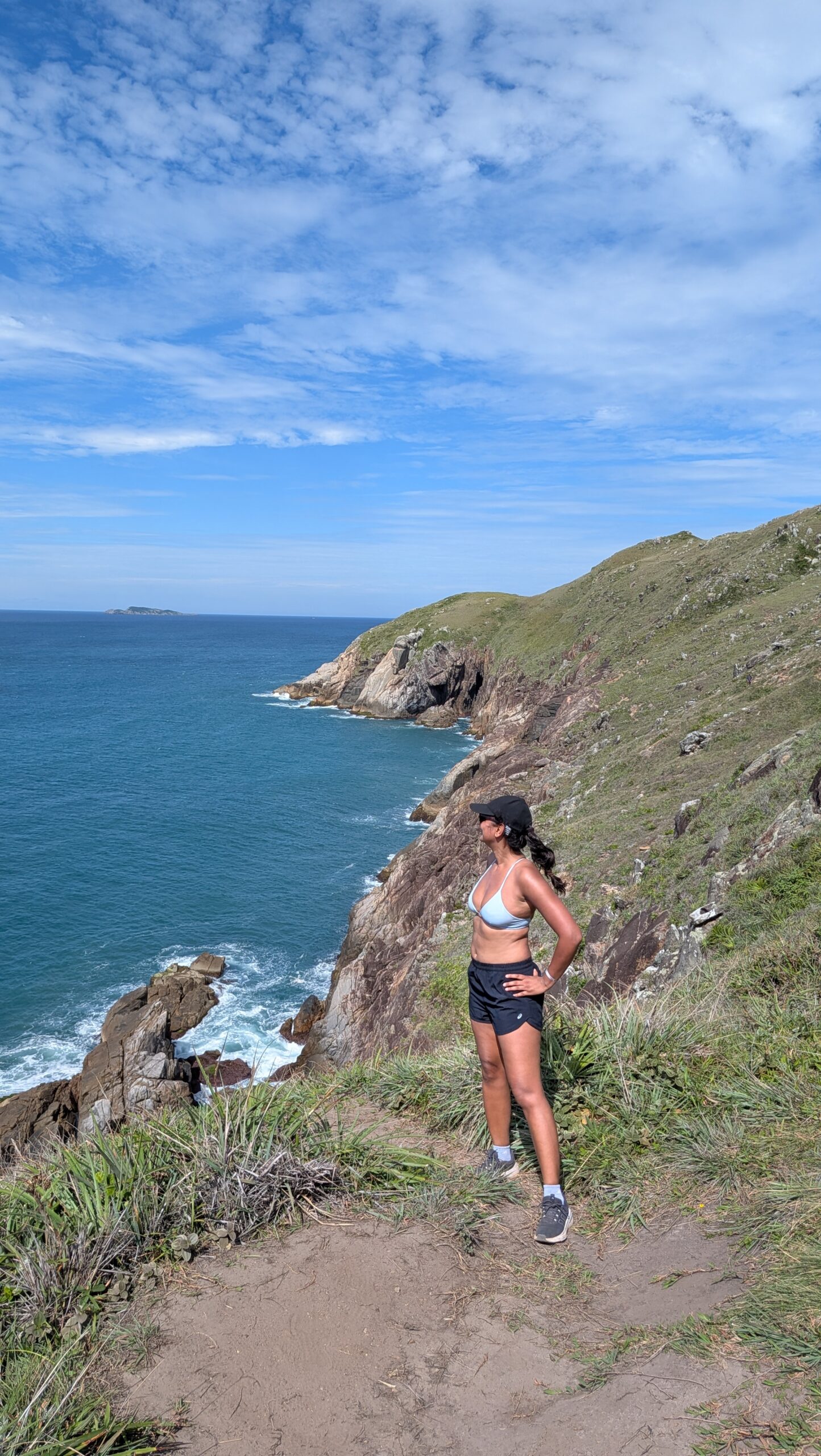
For solo day hikes, the prep list gets longer: weather, trail traffic, hut reservations if it’s hut-to-hut (book early — some fill up months out), and confirming logistics through hostel WhatsApp groups, which are often more useful than official websites. I’ve done 25km solo day hikes in El Chaltén, Argentina, checking weather, wildlife, terrain difficulty, timing, and permits before heading out. For true multi-day backpacking trips, I still bring in more specialized friends rather than going fully alone.
Don’t skip this
The pre-hike checklist
Nine things I check before any hike, guided or not.
Weather & season
Check both the forecast and whether you’re in high or low season before committing.
Wildlife check
Know what’s actually out there — bears, for instance, are a real consideration in parts of Canada.
Permits & legal requirements
Some trails require guides or permits by law; confirm before you plan anything else.
Route difficulty & timing
Know how traverse-heavy the trail is and what time you need to start.
Offline maps
AllTrails’ paid tier lets you download maps for zero-signal trailheads.
Power
Bring a portable charger — you’ll rely on your phone for maps and safety.
Drone rules
Usage is restricted in some countries — check in advance if you’re planning to film.
Food & water
Specialized hiking food may need a specific store; always confirm where you can refill water along the route.
Sun protection & snacks
Small things, easy to forget, hard to fix mid-trail.
Good to know
Frequently asked questions
Do I need a guide for every hike abroad?
No — but some specific trails legally require one (Acatenango in Guatemala is a clear example, due to active volcano evacuation protocols). Always check the specific trail’s rules before assuming you can go independently.
What’s the easiest way to hike somewhere I’ve never been?
A guided tour through Viator, Expedia, or GetYourGuide. Transportation, food, and a trail guide are handled — you just walk.
How far in advance should I book hut-to-hut reservations?
Earlier than you’d think — some hut reservations for popular routes (Patagonia, for example) go out early in the year and can sell out.
What tools do you actually use to plan?
AllTrails (paid, for offline maps), hostel WhatsApp groups for local, current info, and a running checklist covering weather, permits, wildlife, and water access.
You don’t need to be a pro to hike abroad.
With the right map, the right permits, and a checklist you actually run — most hikes are more doable than they sound.