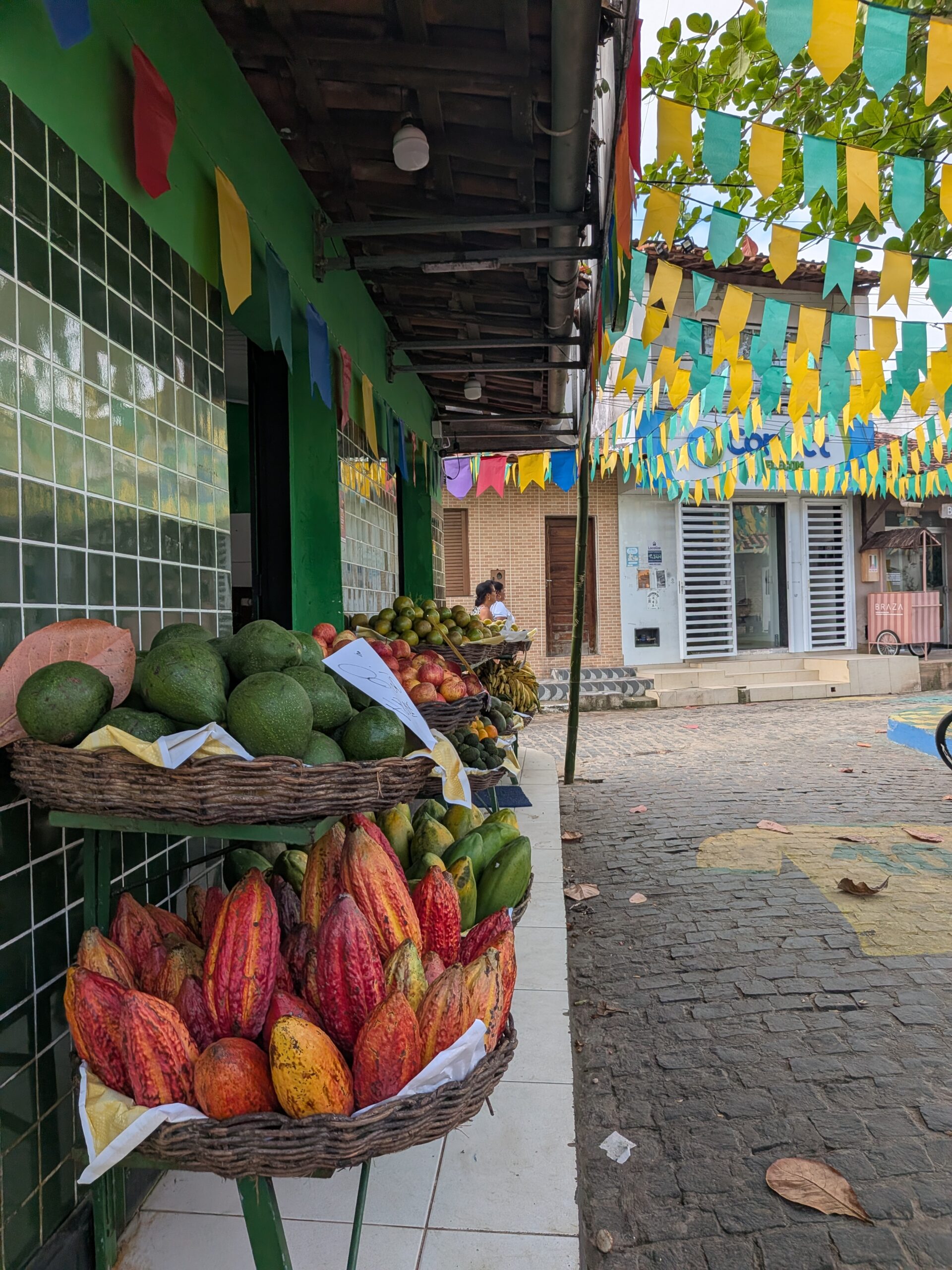
Mindset · Food & Culture
How much does food matter to where you travel?
I grew up in a house where food was how you said “I love you.” So when I pick a destination, I’m not just asking what there is to see — I’m asking whether I’m going to eat well. Here’s how I actually think about it.
Growing up Indian, food isn’t a side note to life — it’s the main event. Good food, good hospitality, never saying no to somebody’s mother’s cooking, eating until you genuinely can’t anymore. So it’s probably no surprise that food quietly runs the whole show when I decide where to go next. If I can’t eat well somewhere, I struggle to love the place, even if everything else about it is beautiful. That might sound complicated, or even a little unfair to a country. But I’ve learned to just be honest about it — and to plan around it, instead of pretending it doesn’t matter.
Before you book
Rate it, don’t ignore it
The 1–10 test
Before I pick a destination, I ask myself: on a scale of 1 to 10, how important is the food here going to be to my experience? If you’re a foodie who finds daily joy in eating and trying new things, this number should genuinely factor into where you go next — not just what’s on the itinerary once you land.
What “good food” means to you
It’s not only about taste — it’s access. Can you eat the food that’s actually available, comfortably and often? A country can be extraordinary and still leave you hungry for a version of it you can enjoy.
Dietary reality check
Vegetarian, pescatarian, gluten-free, nut allergies — know what the local cuisine actually leans on before you go, not after. A meat-heavy food culture is a different trip if meat isn’t your thing.
Can you cook there?
Hostels, Airbnbs, guesthouses with kitchens — having the option to cook changes everything, especially for longer trips or restrictive diets. Cooking is a basic skill worth having no matter how much you love eating out.
What this actually looks like
Two trips, two very different food memories
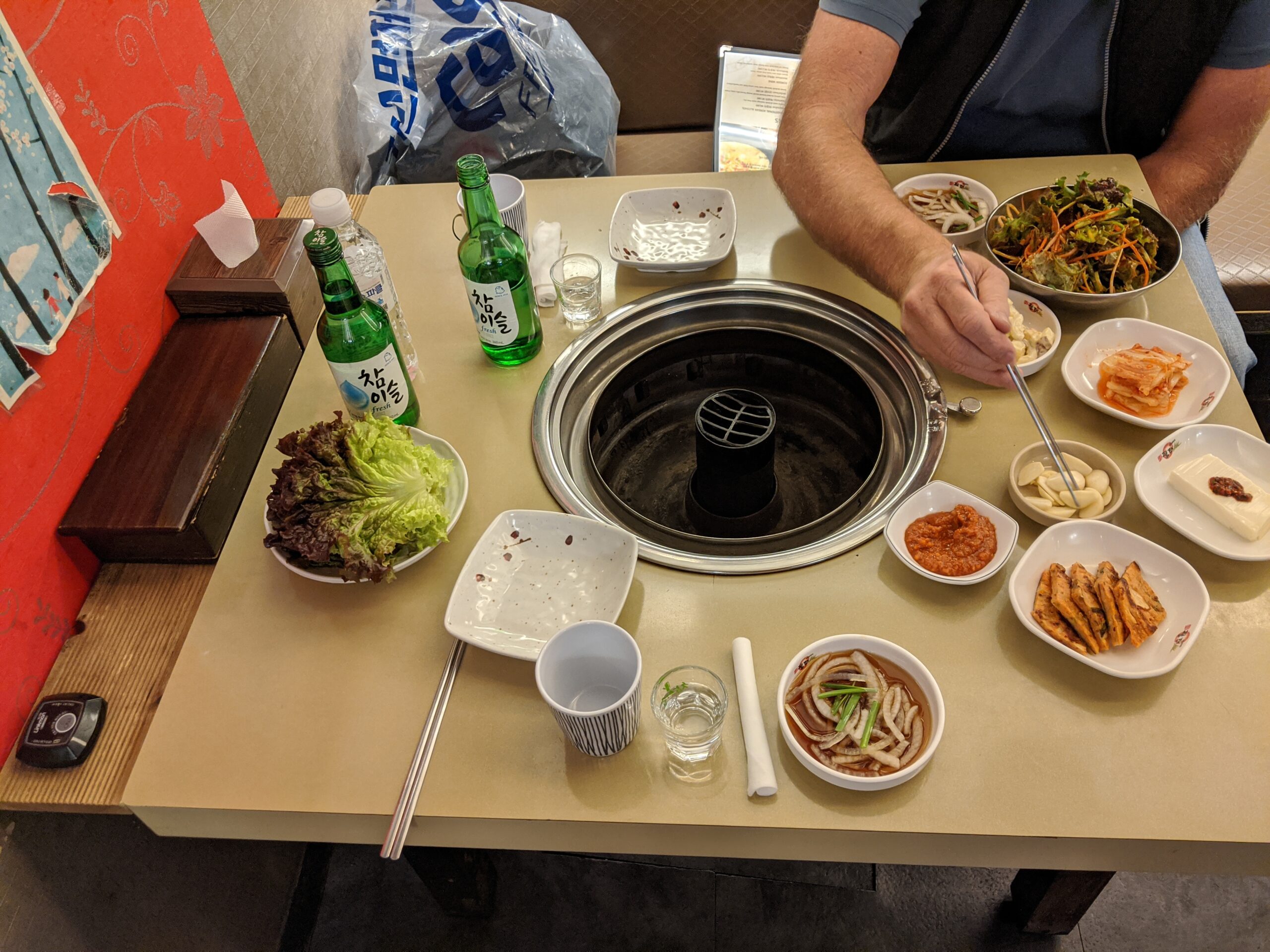
Great meals, wrong appetite
I was taken to genuinely fancy meals in Korea — the kind of hospitality you can’t fault. But the cuisine leans heavily meat-focused, and I got tired of it fast. I came home with incredible skincare and makeup. What I didn’t come home with was a craving to go back for the food. That’s the tell for me: if I’m not already planning my next meal there in my head, the place didn’t fully land.
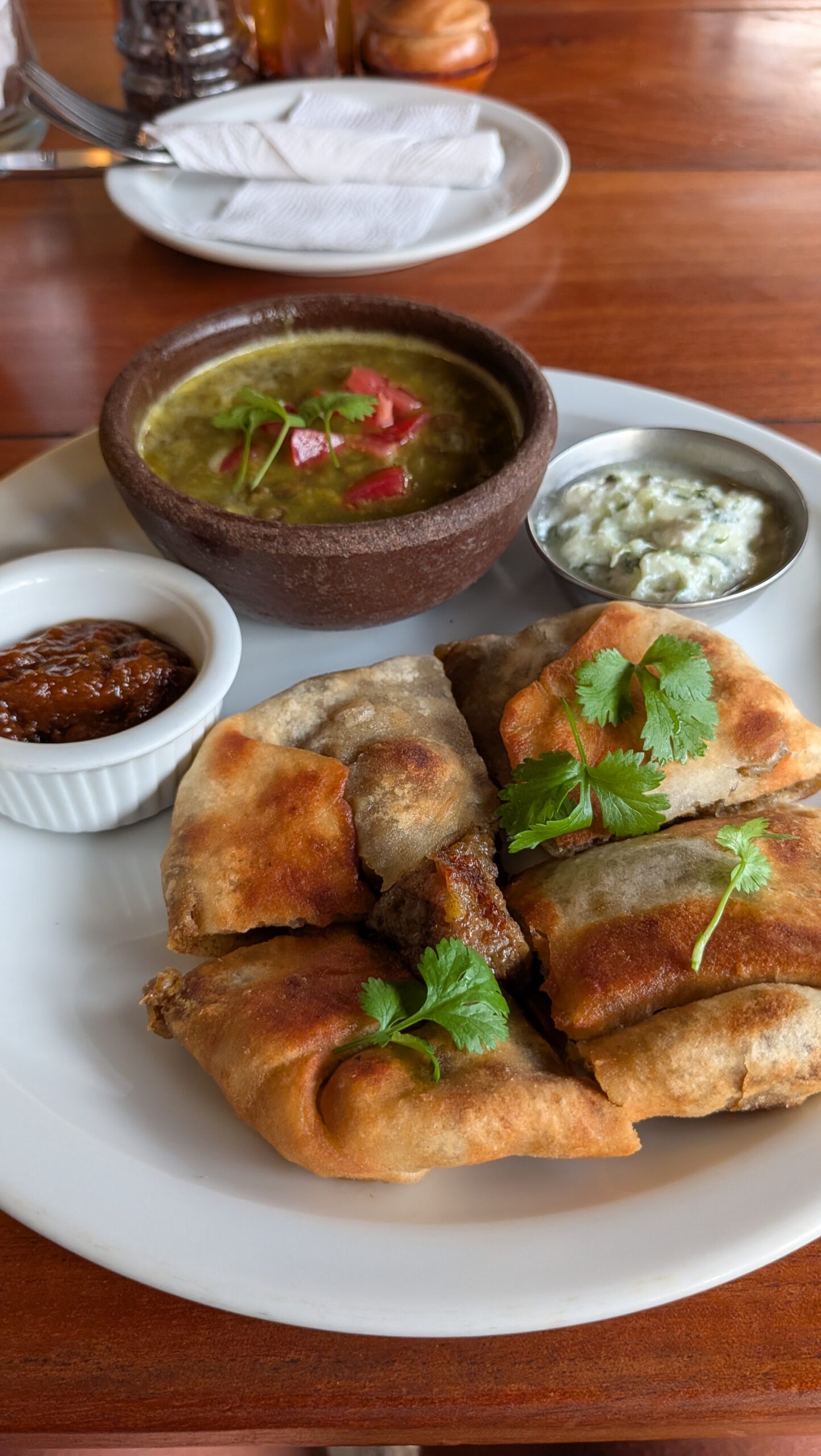
The one I still think about
I grew up vegetarian, and Nicaragua has a ton of good vegetarian food. That single fact changed how I remember the whole country. I wasn’t managing my diet around the trip — the trip just worked. When food and diet line up like that, everything else about a place gets easier to fall for.
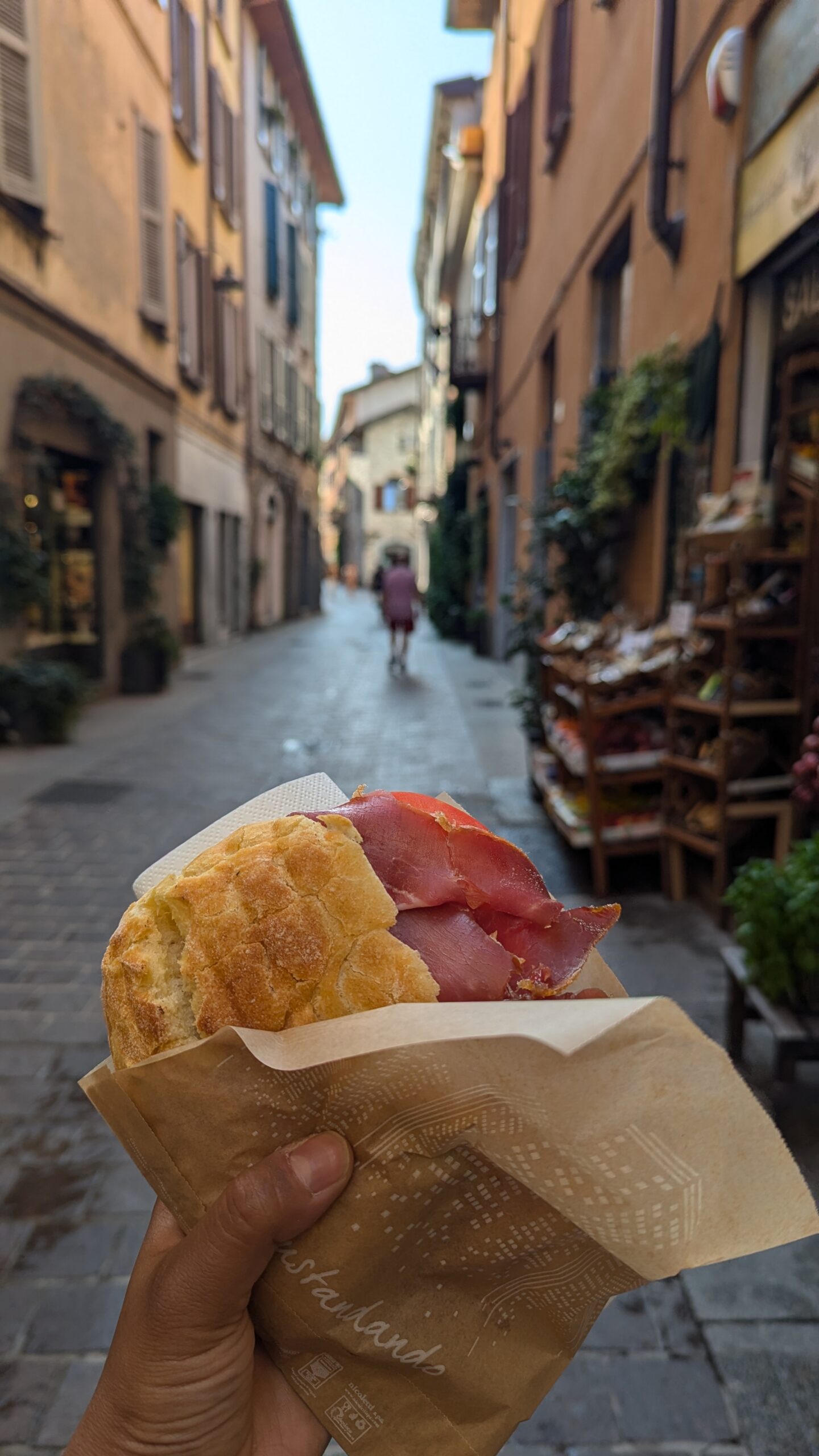
The sandwich I made myself
After a 25k hike, the sandwich I’d made myself that morning was one of the best parts of the day. Cooking my own food on that trip didn’t just save money for happy hour later — it made three weeks of back-to-back hiking feel sustainable instead of stressful. Self-catering isn’t a downgrade from “real” food travel. Sometimes it’s the whole reason the trip holds together.
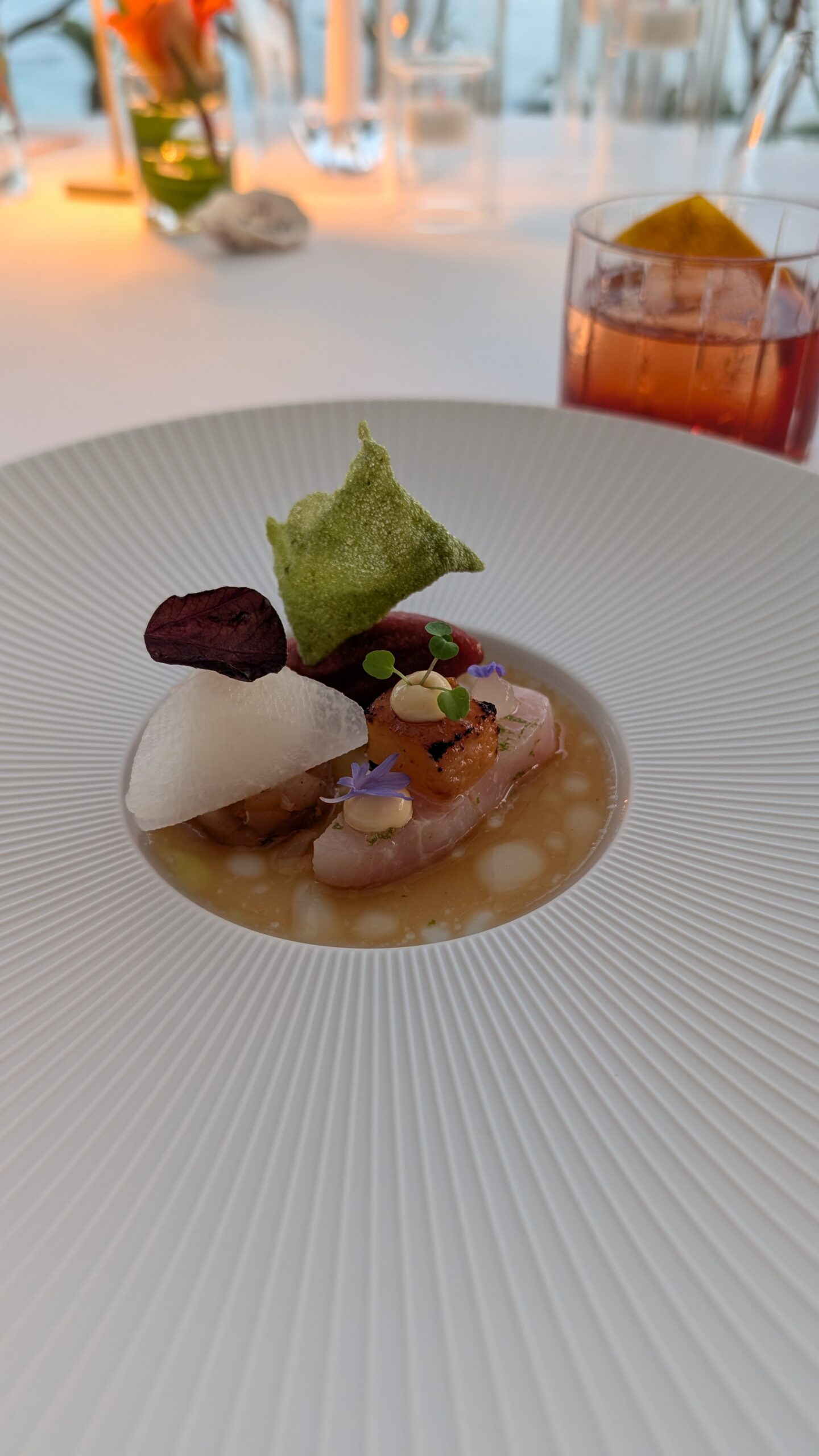
From “expensive meat eater” to wine pairings
Going vegetarian, then pescatarian, then eating white meat again — each shift taught me something about what I actually want on a plate. These days I only eat what I’d call fancy meat, and it’s made me a genuine user of Michelin guides: pairing food and wine, chasing the finer version of a place. Not everyone travels for this, and not everyone gets to choose — allergies and needs are real constraints, not preferences. But for me, the road from restriction to indulgence is exactly what taught me to appreciate it.
Practical
If food is a real constraint, plan for it
Allergies and dietary needs deserve more than good intentions. A few things I actually do before I book.
Research the local staple diet first
Before picking a destination, look at what the cuisine is actually built on — meat-heavy, rice-based, seafood-forward — and be honest about whether that works for you long-term, not just for one meal.
Pack for your allergies, not around them
If your experience depends on avoiding something specific, bring your own safe snacks and, if relevant, carry your epi pen. Don’t assume you’ll find what you need on the ground.
Book stays with a kitchen
Hostels with communal kitchens or Airbnbs give you the option to cook when eating out isn’t working — for your wallet, your diet, or just your energy that day.
Let it change your rating, not your plans
If food is a 9 or 10 for you, it’s okay to let that push a destination up or down your list. Being honest about it upfront beats resenting a place halfway through the trip.
Good to know
Frequently asked questions
How do I know if food should factor into my destination choice?
Ask yourself honestly: on a scale of 1 to 10, how much does daily eating shape whether you enjoy a trip? If you’re above a 6 or 7, it’s worth researching a country’s food culture with the same seriousness you’d give safety or budget.
What if I have a restrictive diet or allergy?
Research what’s actually available locally before you go, pack safe backup food, carry any necessary medication like an epi pen, and prioritize accommodation with kitchen access so you’re never fully dependent on what a restaurant can offer.
Is it “wrong” to judge a country partly on its food?
No — travel is personal, and what makes a place feel worth returning to is different for everyone. Food happens to be one of the biggest emotional levers for a lot of travelers, myself included. Naming that honestly just makes for better trip planning.
Not sure how food should shape your next destination?
Let’s talk through what actually matters to you before you book — food, budget, pace, all of it.