Solo Female Travel · Central America
El Salvador: 7 days of volcanoes, cathedrals & surf towns
Culture in San Salvador, a moderate hike above a turquoise crater lake, and sunset surf towns on the Pacific — with cheap, reliable rideshares stitching it all together. 5-star safety rating for solo women.
El Salvador is having a moment — safe, budget-friendly, and unmistakably welcoming, without yet feeling discovered. Seven days is enough to cover it properly: a night in San Salvador, the colonial calm of Santa Ana, a volcano hike above a crater lake, and a few unhurried days on the surf coast in El Tunco and El Zonte. Uber and inDrive make the whole thing easy to move through on your own.
Before you go
At a glance
Overall safety (solo female)
High — 5 stars. Standard late-night awareness in San Salvador, but genuinely secure in Santa Ana, El Tunco, and El Zonte.
Local transportation
5/5. Uber and inDrive are cheap, reliable, and smooth between every major hub.
Vibes & atmosphere
Grounded and authentic — spoiled by natural beauty, with locals who are genuinely welcoming.
Hiking intensity
Moderate. The Santa Ana Volcano hike runs about 2.5 hours round-trip.
Cash vs. card
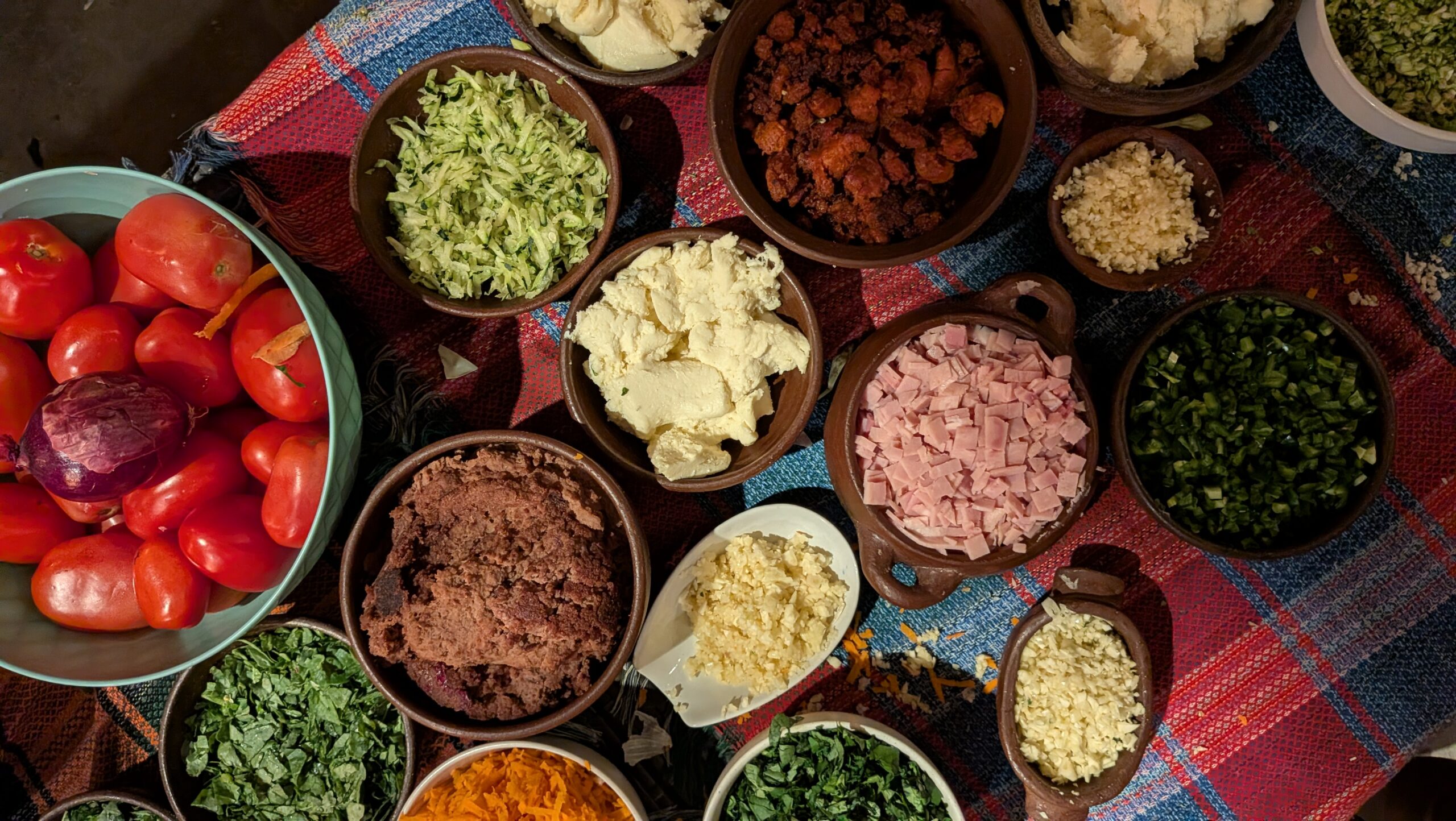
Mixed — cards and rideshare apps work well, but keep USD cash on hand for pupusas, entry fees, and beach bars.
Best budget eats
Local pupuserías and yuca dishes, $1–$3 a meal.
Best time to visit
High season November–April (dry); low season May–October (rainy).
Budgeting
Estimated daily costs
$70–90
Per day, USD · food + local transport + mid-range stay
Good to know
Is El Salvador safe for solo travelers in 2026?
Yes — genuinely so. The country is building its tourism infrastructure from the ground up, and it shows. Standard late-night vigilance is worth keeping in San Salvador, but walking around Santa Ana or beach towns like El Zonte and El Tunco feels calm and stress-free, with a visible, reassuring security presence in the nightlife areas.
The route
7-day itinerary
Arrival in San Salvador
Photo: first day arrival — airplane view coming into El Salvador, or that evening’s dinner spot. Fly into El Salvador International Airport (SAL) — customs and baggage claim are easy, though local SIM cards or eSIMs (Airalo included) can have weak signal right at the terminal, so a pre-arranged taxi or Uber is the smoother call. For where to stay, pick a higher-rated hostel or boutique hotel in a safe area like Zona Rosa or Escalón — skip the ultra-budget options downtown if mattress comfort matters to you.
Art in the morning, transit in the afternoon
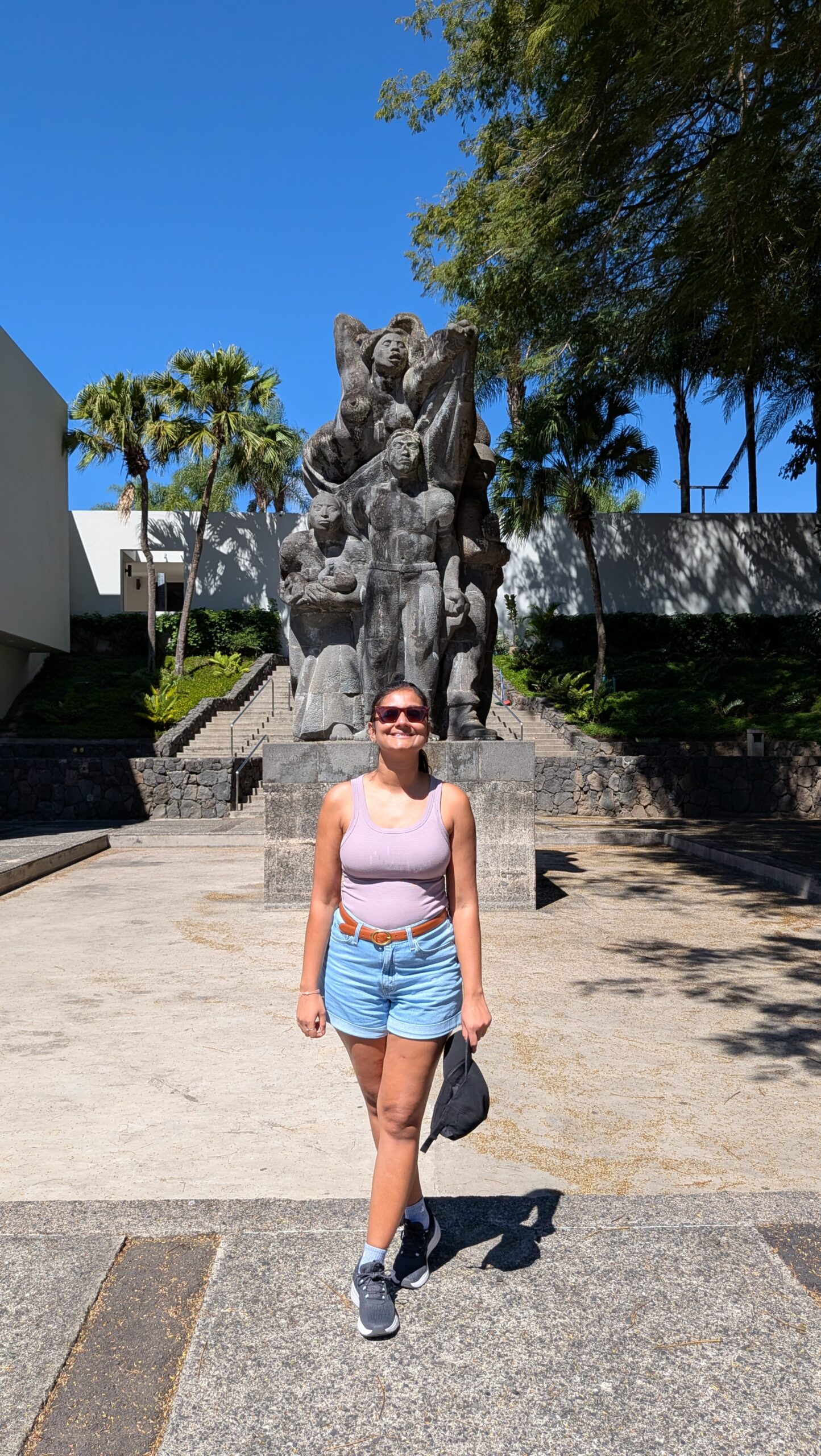
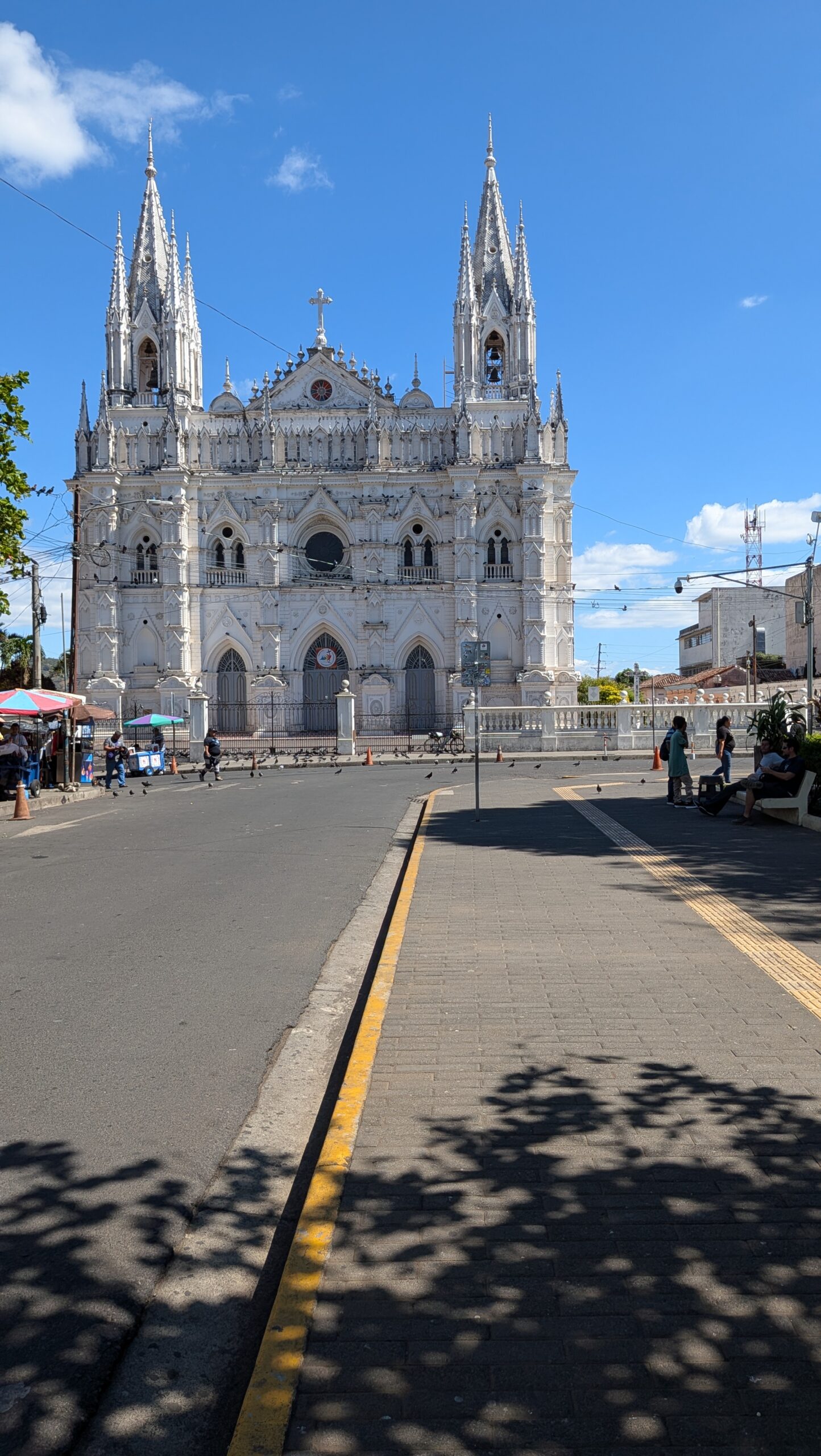
Photo: rooftop restaurant view in San Salvador, or the lunch dish and tamarind juice. Start at the Museo de Arte de El Salvador, then find a rooftop lunch spot for traditional chicken soup and fresh jugo de tamarindo (tamarind juice). Take a 1.5-hour Uber or shuttle straight to Santa Ana, and spend the evening strolling past Santa Ana Cathedral as the light goes gold.
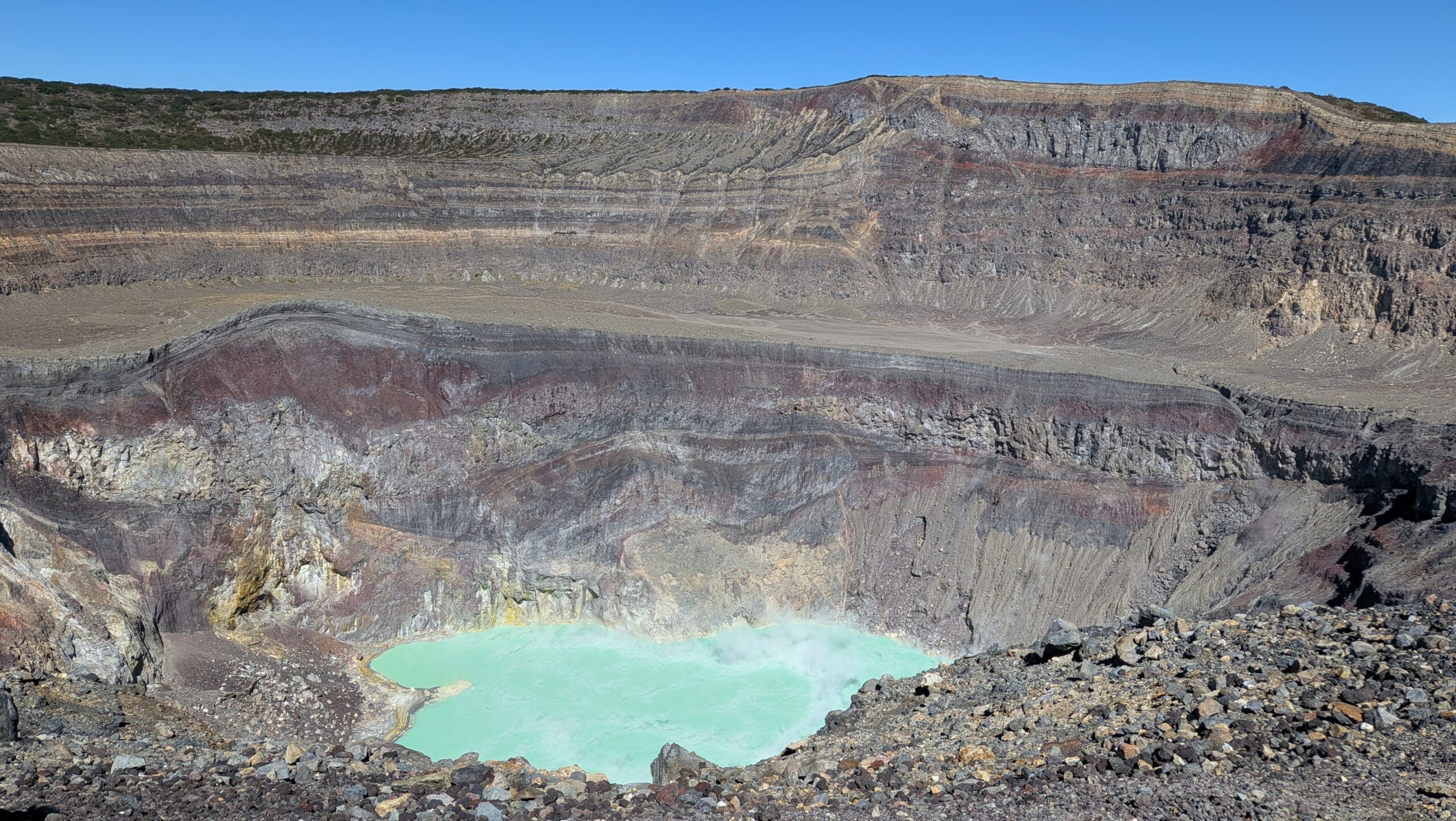
Volcano hike, then a lake to cool off in
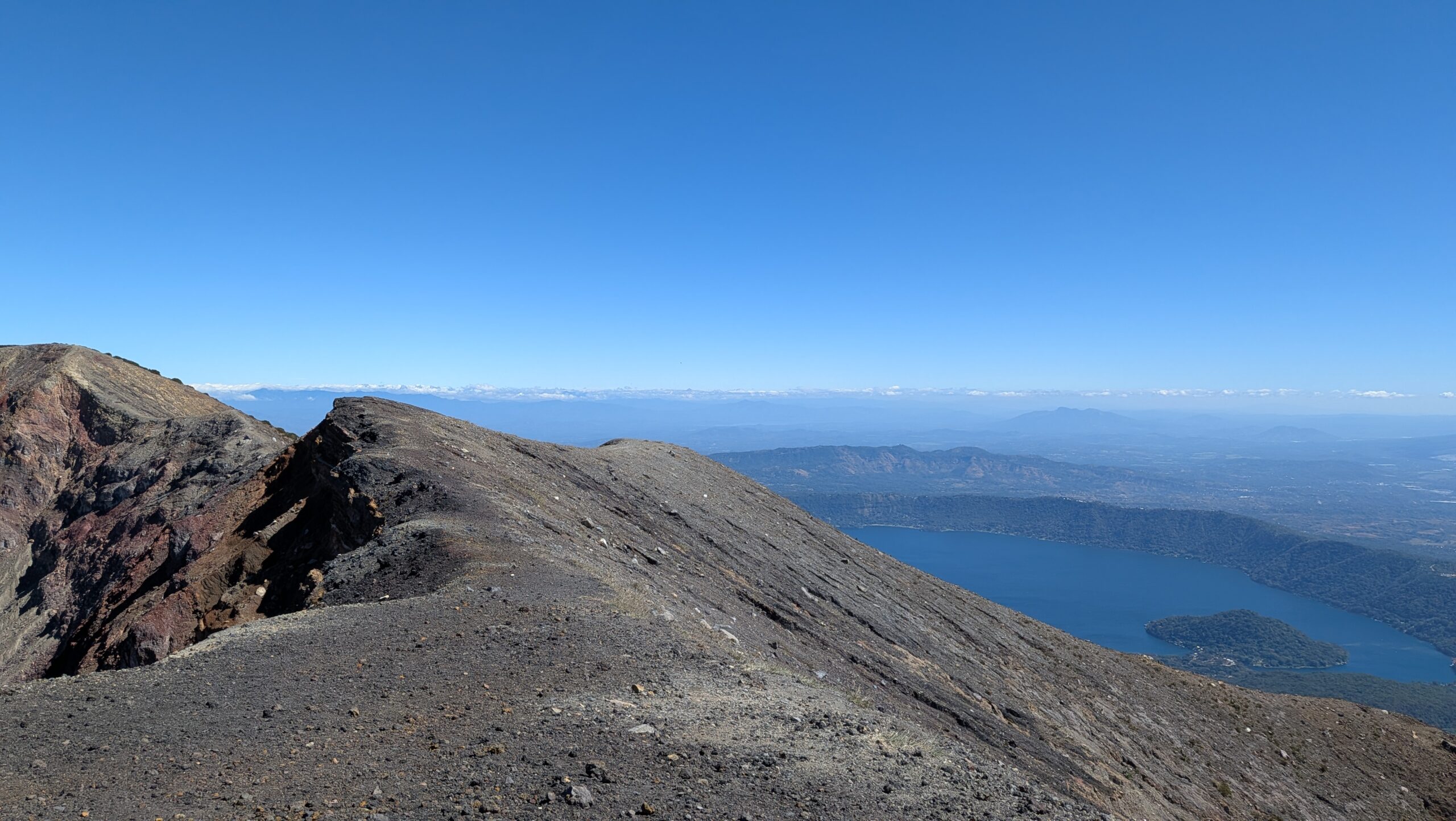
Photo: the Santa Ana Volcano’s turquoise crater lake, or a jump shot at Lake Coatepeque. Leave Santa Ana by 8:00 AM to beat the crowds and the heat — the trail is well-paved through forest before opening onto a high-wind crater ridge, roughly 2.5 hours round-trip. Pack a real windbreaker or sweater; the rim gets serious gusts. In the afternoon, head down to Lake Coatepeque for shrimp quesadillas, a michelada, and cliff or tower jumping into the volcanic lake.
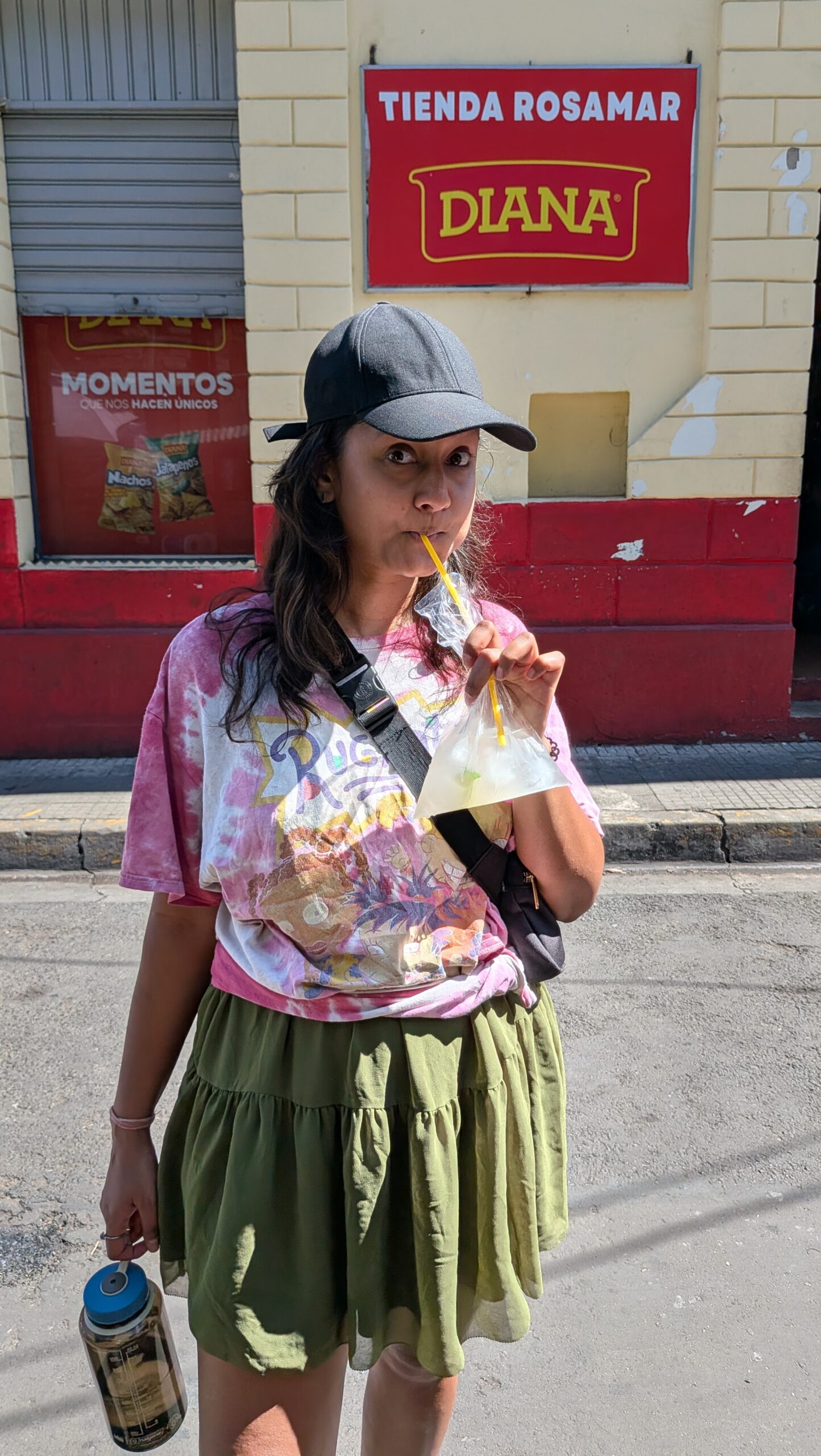
City walking tour & the Sapoapa pools
Photo: the group during the Santa Ana walking tour, or a close-up of orange coffee and fried yuca. Join a local walking tour starting at the Cathedral, tasting your way through orange coffee, tropical fruit, traditional desserts, fried yuca, and a local beer to finish. In the afternoon, make the trip out to the Sapoapa swimming pools — clean, quiet, and locals-only, with small fish that nibble the dead skin off your feet.
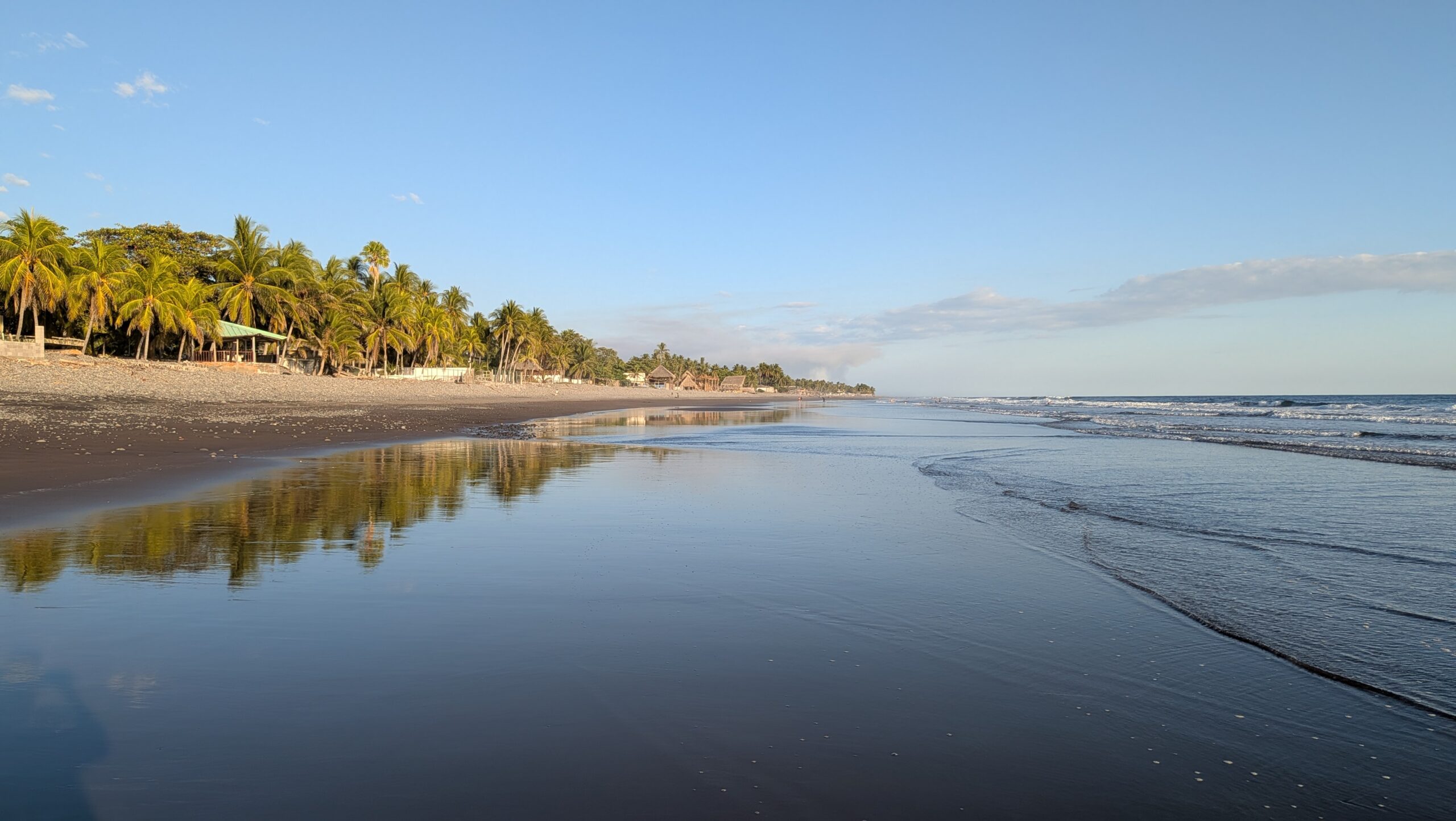
Coastal transit & ocean sunsets
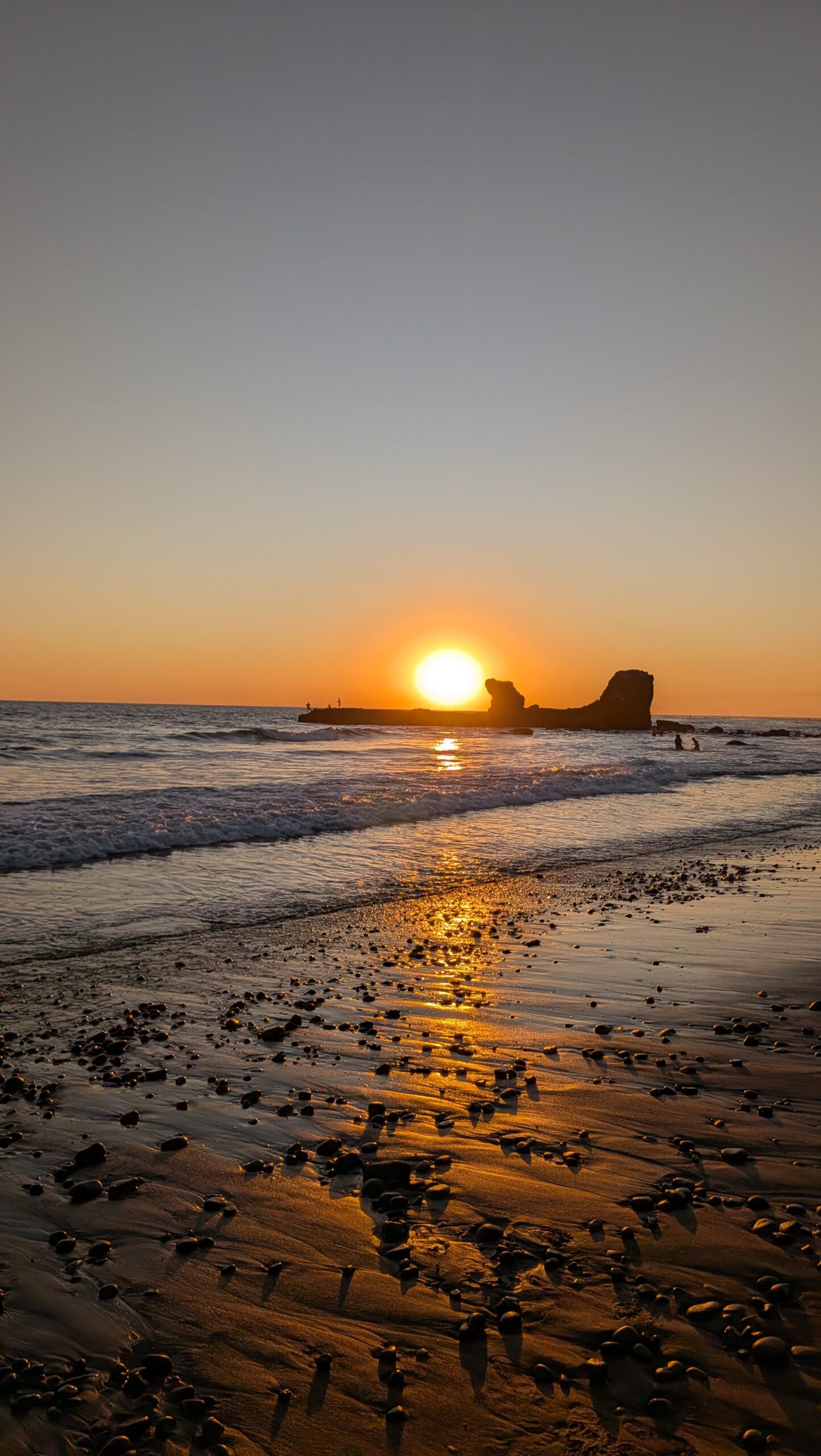
Photo: sunset over El Zonte’s black sand beach, or the view from an oceanfront hostel. Share an inDrive or shuttle with fellow travelers down to the coast — about 1.5 hours. Check into a beachfront hostel where you can step straight onto the sand, then walk the shoreline for fresh oceanfront shrimp and an ice-cold michelada while the Pacific sets on fire behind you.
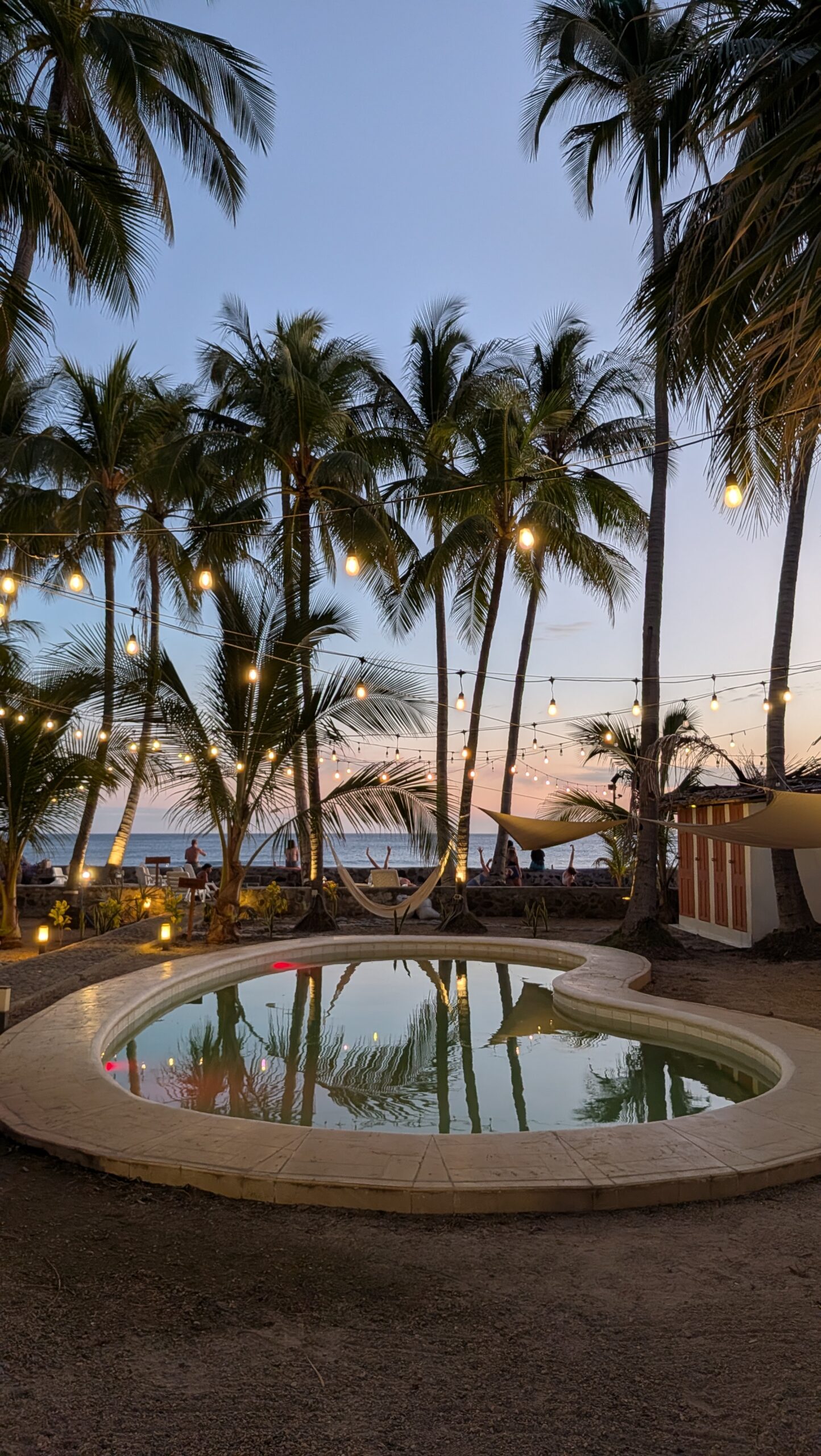
Hammocks, ceviche & surf
Photo: a hammock with an ocean view, or a close-up of fresh ceviche. Breakfast burritos and coffee overlooking the surf breaks, a slow afternoon in a hammock with a book (or a dip in the ocean), and dinner at Roka for fresh ceviche and Korean-style shrimp.
Nightlife & departure prep
Photo: El Tunco nightlife, or a late-night street pupusa stand. Dinner at Bao House for bao buns and passionfruit lemonade, then ease into the night: pre-game drinks at Hostel Dos Palmas or Beach Tinde, live music and Spanish rock at Los Guitarristas, and Latin pop dancing at La Bonita. Close it out with late-night street pupusas before an international shuttle onward to Guatemala (Antigua) or the airport.
Good to know
Frequently asked questions
What is the best way to get around El Salvador?
Uber and inDrive are the best ways to get around — both are widely available in San Salvador and Santa Ana, making inter-city travel affordable, safe, and easy to track on your phone. For coastal routes and international transfers to Guatemala or Nicaragua, a shared shuttle is the better call.
How hard is the Santa Ana Volcano hike?
Moderate, and manageable for most fitness levels. The round trip takes roughly 2.5 hours over well-paved forest trails — just bring a windbreaker for the wind at the summit.
Ready to plan your own El Salvador route?
Let’s map the days that fit how you actually want to travel — I’ll help you build it from here.